Cuba - It's complicated
Honest Cuba travel notes covering money, casas particulares, transport, beaches, scams and what to expect in Havana and beyond.
February 2026
Romance vs Reality
The general picture of Cuba is a bit too romantic. Don’t you also think of friendly people in beautiful but worn down buildings? Music, cigars, rum and a little “viva la revolucion” with some “Buena Vista Social Club” in the background. Well, some of that is true …unfortunately some is not.
I have traveled in many poor countries. Never have I been tricked and scammed as much as in Cuba. And given the economic hardship I even have some sympathy. But what I really hated is that it made us distrust everyone.
This was true for the first visit in 2007 as well as the return in 2018. During my first time we met a girl who had lived in Cuba about 10 years earlier. She couldn’t stand the new face of Cuba so much that she was trying to change her flight to leave early. I think that speaks a thousand words.
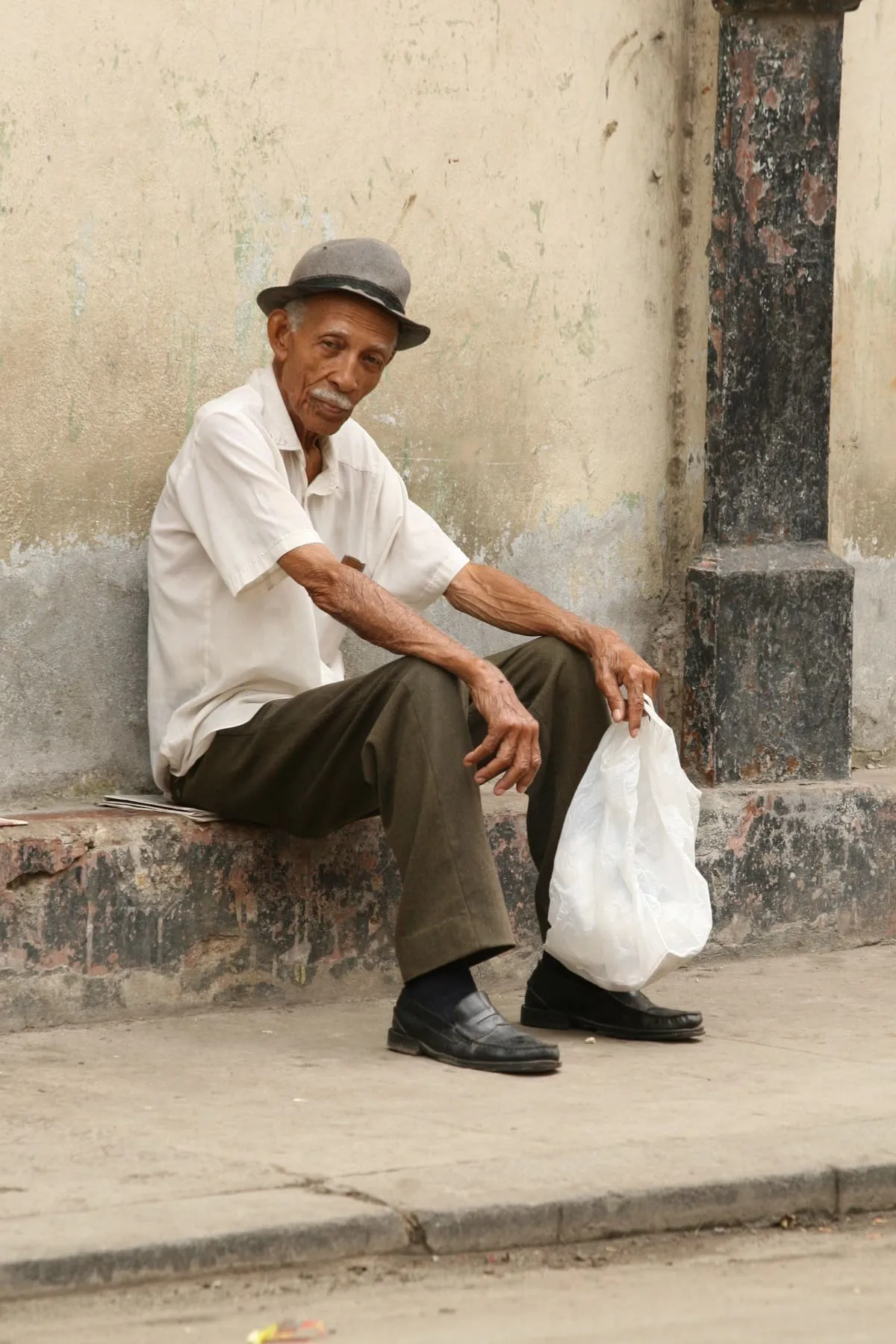
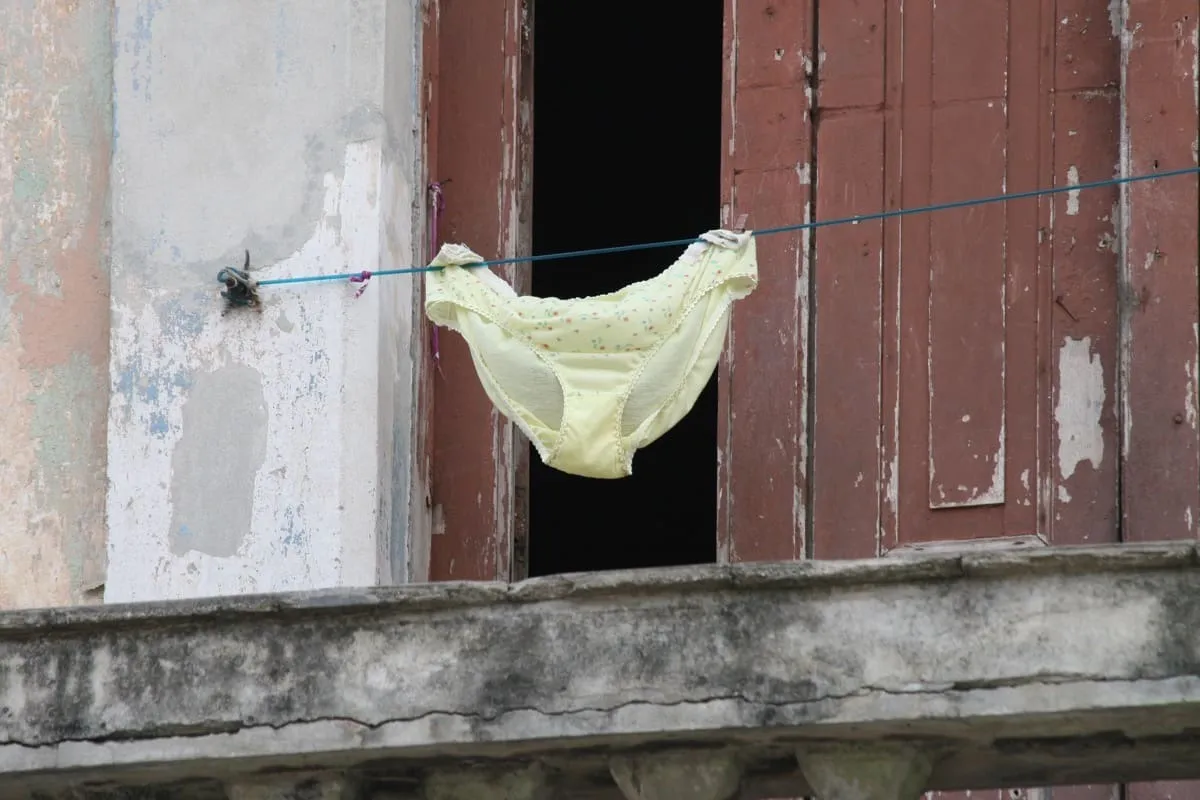
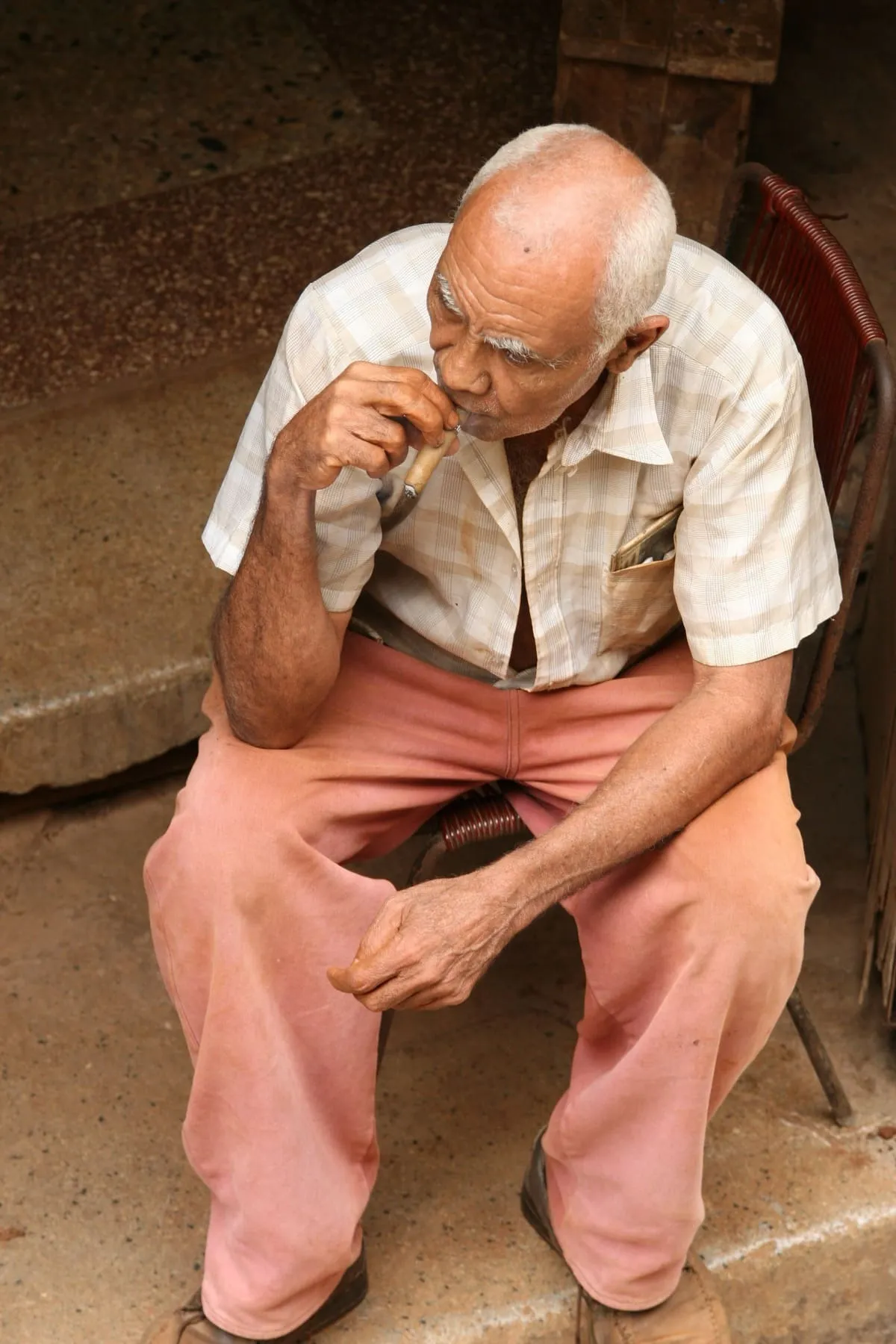
Still I have made some genuine connections and met some very nice people. And the country is picturesque beyond words. Cuba is a mixed bag. Go with open eyes and realistic expectations.
Money
Cuba has never been cheap for tourists. Going for dinner in Berlin or in Habana? Not sure what is more expensive.
For years Cuba had a painful dual currency system. CUC for tourists, CUP for locals. The CUC was abolished in January 2021. Now there is only the Cuban Peso (CUP). But it’s not simple either. Since December 2025 Cuba has three official exchange rates. The one you want is the floating rate at Cadecas (exchange offices) which sits around 1 EUR = 545 CUP. The informal street rate is slightly better at around 1 EUR = 560 CUP.
Whatever you do: don’t use ATMs. They give a fixed rate of roughly 1 EUR = 130 CUP. That’s over 4x worse than the Cadeca rate. If you need cash from a card, do a cash advance at a Cadeca or bank instead. Same card, same machine, vastly better rate. This wasn’t the case in 2008 - it seems to be the case now.
Cash is still king. Bring EUR in small bills. No US-issued cards work. No Wise, Revolut, or Amex. European Visa or Mastercard might work but don’t count on it. MLC prepaid cards can be bought at airport exchange offices for use in “dollar stores.”
Basically: bring enough cash for your whole trip. Treat everything else as backup.
Getting Online
During my first visits there was essentially no internet. Things have changed. Cuba now has over 1,200 public WiFi hotspots via ETECSA, the state telecom. You can buy NAUTA WiFi cards at ETECSA offices (1 hour costs about 25 CUP). But the connection is slow, unreliable and censored.
The better option in 2026 is an eSIM. Buy it before you leave and install it at home. You cannot easily download anything once in Cuba. Same goes for a VPN. Install it before departure. VPN download sites are blocked in Cuba and you will need one. The US embargo blocks the Viazul bus booking site, PayPal, banking sites and more.
Funny story: I had an AirBNB booking for some onwards travel. I needed to send a message to the host. I had to wait until the store opened to buy a WiFi card. And while I got some slow internet I could still not reach him until I was in Mexico. Why? Unfortunately my AirBNB account was secured via Facebook - which was blocked in Cuba. Since then I am done with SSOs. Yet another reason the login with Facebook/Google/… buttons are just not worth it.
Also download Maps.me with the Cuba offline map, Google Translate with the Spanish offline pack and WhatsApp (the main communication tool in Cuba).
Sleeping
Casa particulares are the way to go. Licensed private homes that rent rooms to tourists. Look for the blue triangle on the door. They must provide air conditioning, hot water, TV and a fridge.
Expect to pay around 15-25 EUR per night for a double room. Breakfast is about 5 EUR per person. Dinner around 15 EUR and often the best food you will find. Despite what guidebooks used to say don’t expect a feast everywhere. The white bread at most places is not much more than crispy air. Only one casa we stayed at had truly exceptional food.
The classic casa-to-casa recommendation method sounds great in theory. Your current host calls ahead and arranges a room at your next destination. In practice it often doesn’t work. Too many hosts recommend casas to help out their friends, not to help you. So you get shown dark little cubbyholes and better know how to say no.
The real problem is availability. The good casas are marvelous gems …that book out 2-3 weeks ahead. Plan accordingly. For booking platforms: Airbnb has payment problems in Cuba since 2025 and unexplained cancellations are common. Homestay.com charges zero fees to Cuban owners so more money stays with the host.
One more thing. Ask your casa about backup power. Blackouts are daily across Cuba in 2026. The better casas have invested in solar panels or generators. Also leave behind unused toiletries and supplies when you go. Shop shelves are empty.
Getting Around
Getting around Cuba is not easy. Viazul is the tourist bus network connecting the major cities. Air-conditioned, with toilets. Book online before arriving if you can. The website is blocked from within Cuba without a VPN and tickets now require card payment. Seats sell out so book a few days ahead. Your casa host can sometimes help.
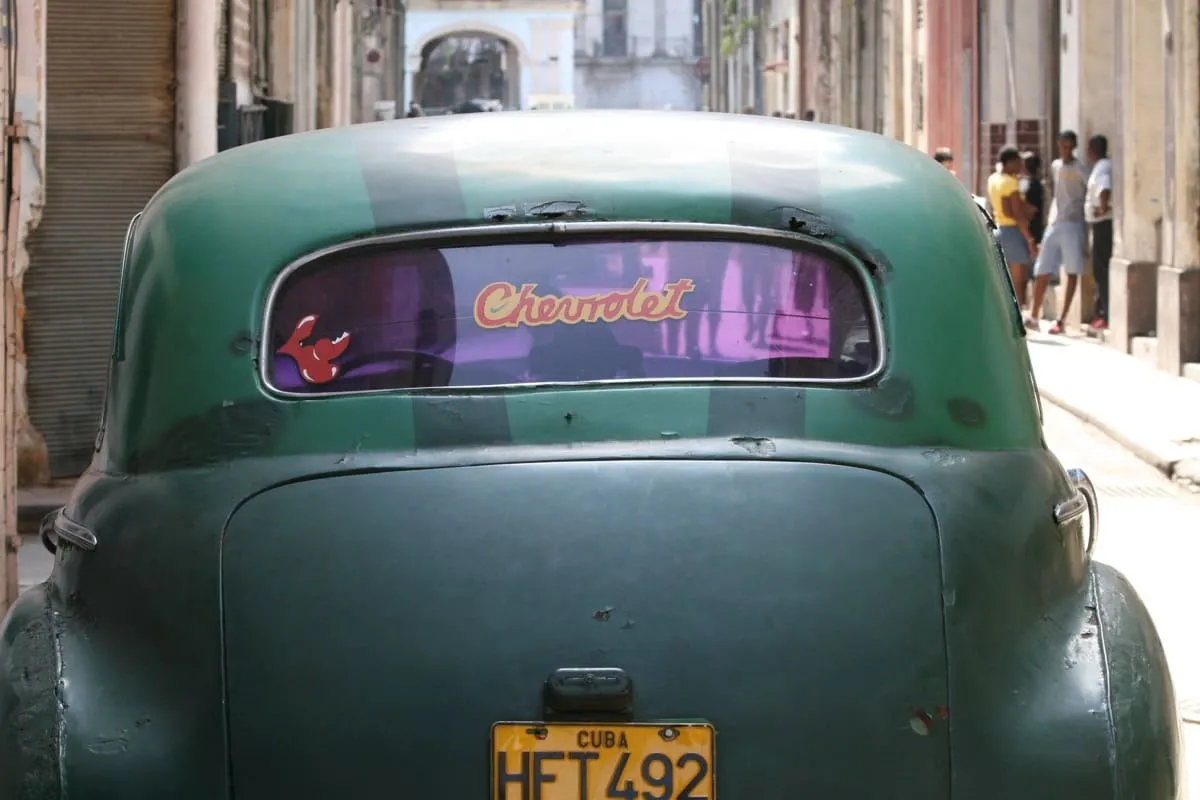

Renting a car sounds like the obvious alternative. At least outside the cities. But I would not want to drive in Habana. And street signs are terrible everywhere. Off the main roads you basically have to pick up hitchhikers (very common in Cuba) to find your way. We did not always feel comfortable with that. Plus the rental is expensive.
Colectivos (shared taxis) and private drivers are another option. Use licensed ones. They are more reliable and the money goes directly to families.
In 2026 travel even slower than usual. Fuel shortages are real. Mexico has paused oil shipments, the US is confiscating tankers bound for Cuba. Allow buffer days.
Beaches
Maybe I am spoiled but the Cuban beaches were a little disappointing. Few cities are close to the beach. The good ones are resort-style. Varadero is the tourist trap.
From the guidebook Cienfuegos sounded like a great alternative. Close to a nice city with beach and diving. Too bad that even locals rarely swim directly in Cienfuegos. They dispose wastewater into the ocean. The actual beach people mean is “Rancho Luna”, 15km away. Nice but not spectacular. You need a taxi or get lucky with the local bus. I went diving there. Can’t recommend the operator but the diving itself was quite nice.
Playa Giron in the Bay of Pigs was probably the nicest beach we found. The guidebook dissed it as dirty and full of dog poo. Seriously? It was lovely. The area is remote and not exactly welcoming but the beach and diving are good. Don’t expect much from the invasion museum though.
The final disappointment was Playa Ancon. Supposedly the 2nd best beach after Varadero. Maybe we caught a windy day so the water wasn’t clear. But in general we weren’t impressed. We gave up looking for beach relaxation after that.
La Habana
Stay in La Habana Vieja, the old part of town. Centro is more lively at night but Vieja is the better base. Agree on a taxi price from the airport beforehand. Expect to overpay regardless.
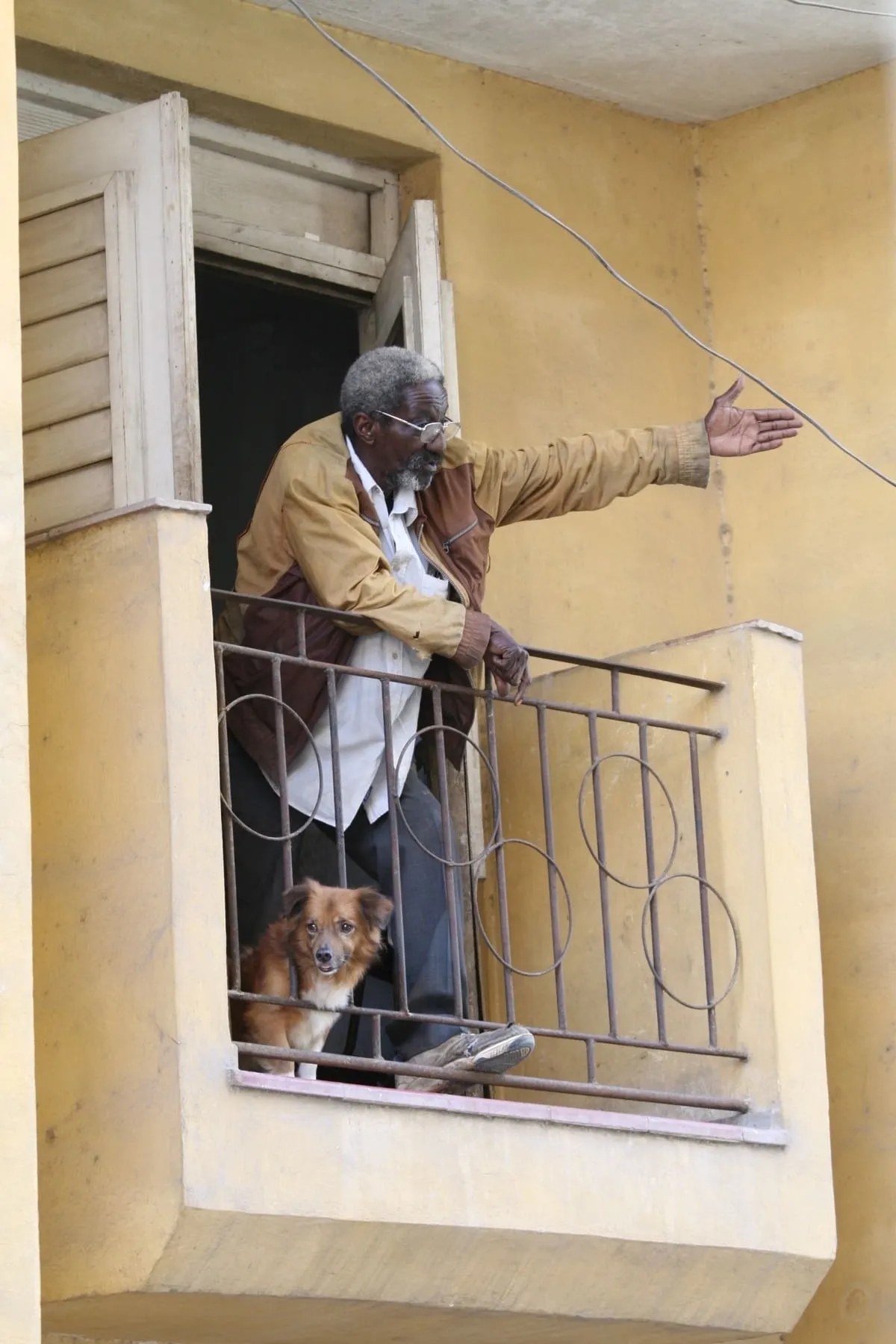
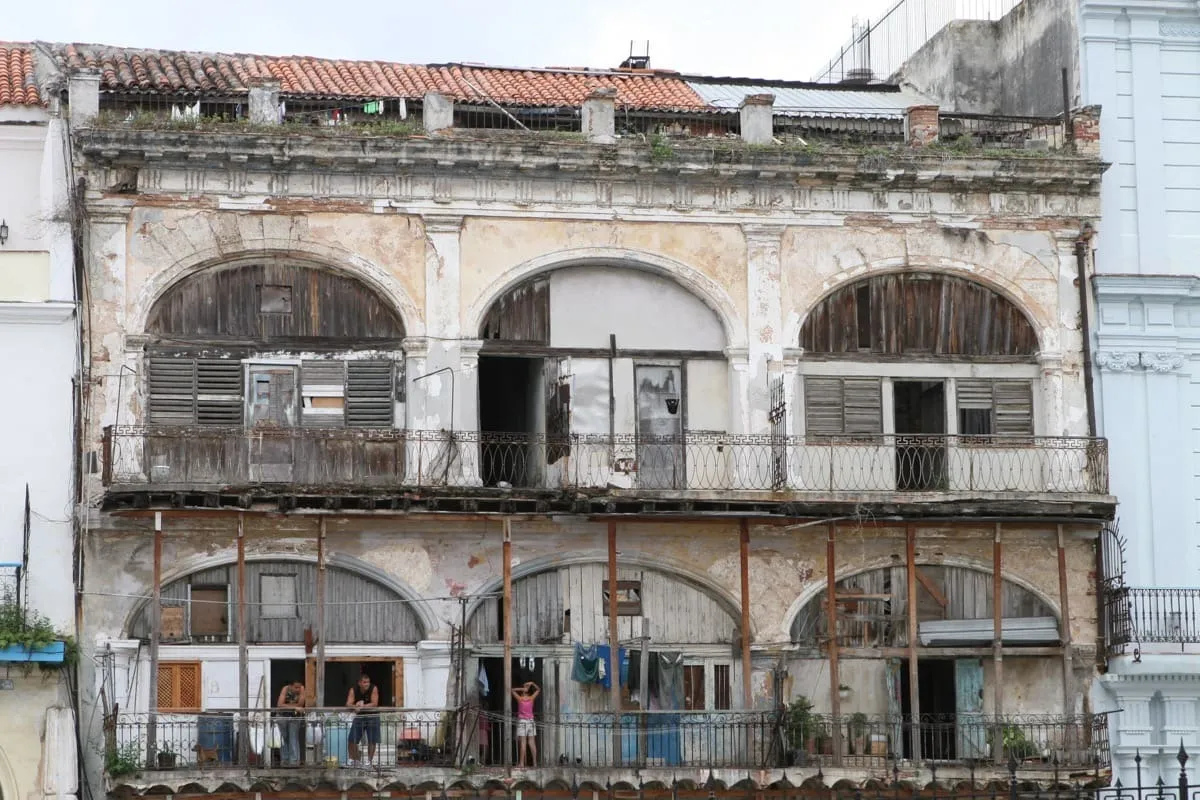
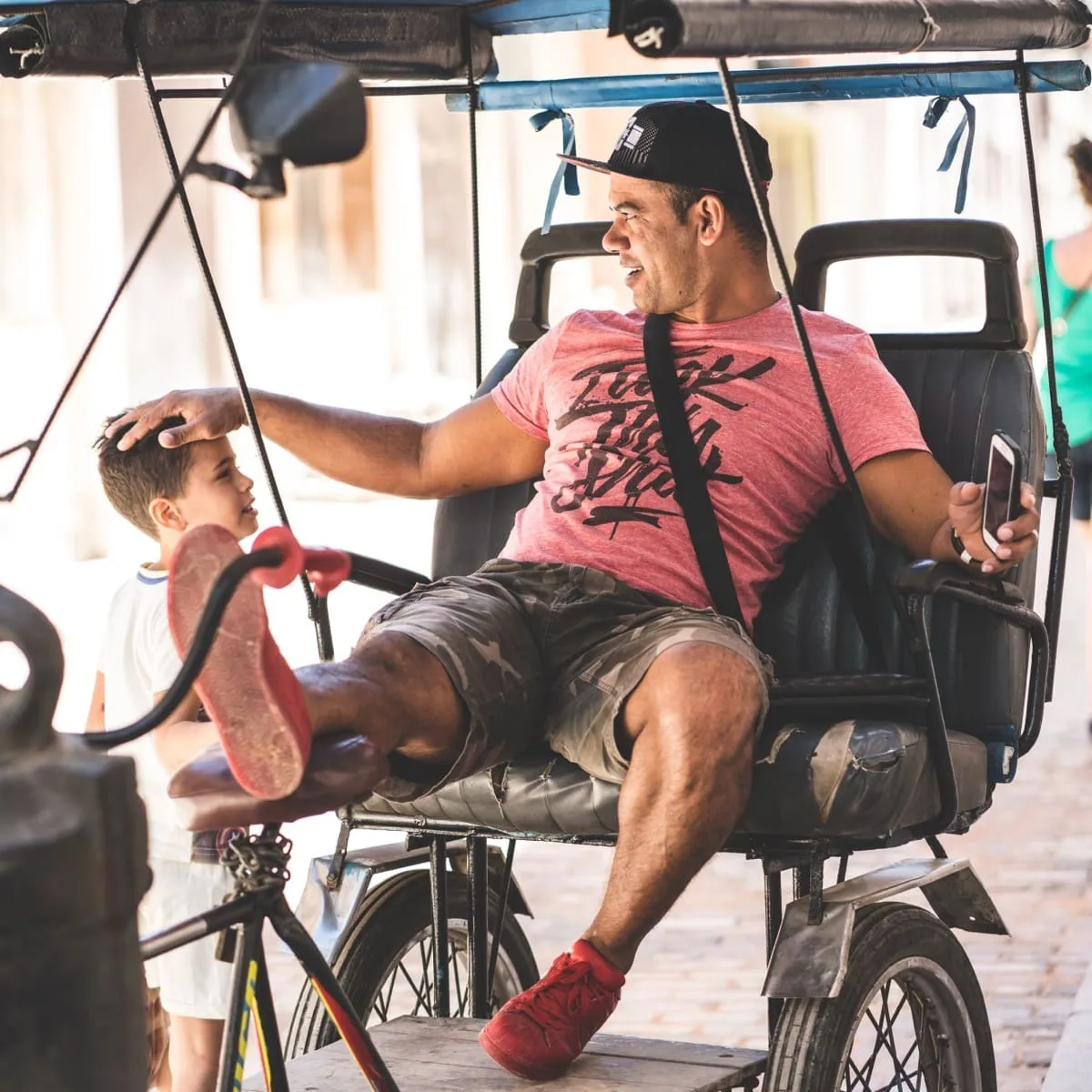
Book your casa well in advance. Every good one we found was booked out for weeks. Casa Humberto looked cosy with supposedly good food. Couldn’t get in. Casa Lourdes had great hosts. Couldn’t get in either.
One casa we did stay at near the Floridita (the Hemingway bar) looked nice on the internet but turned out to be the worst hosts we met. We booked a room with private bath and had to share. They arranged a “private taxi” to the bus terminal to save us money. When we later took a proper taxi back we realized it wasn’t far at all and we’d been ripped off.
For a splurge dinner go to Paladar La Guarida. World-class food in a fantastic setting. Not cheap but probably the best meal we had in Cuba. Book well ahead.
When you are tired of walking through Vieja check out the courtyard of Hotel Florida. Surprisingly cheap sandwiches and good Mojitos.
Cienfuegos
A nice little town. The peninsula in the south feels a bit like a US suburb. The old town is UNESCO world heritage but frankly not that spectacular compared to Habana or Trinidad. Still worth a quick stop for the food and the colonial architecture.
If you can get a booking at Hostal Bahia you might want to stay longer. Probably the coolest casa we’ve seen during our trips. Huge gorgeous rooms in a big colonial house with garden and balcony overlooking the ocean.
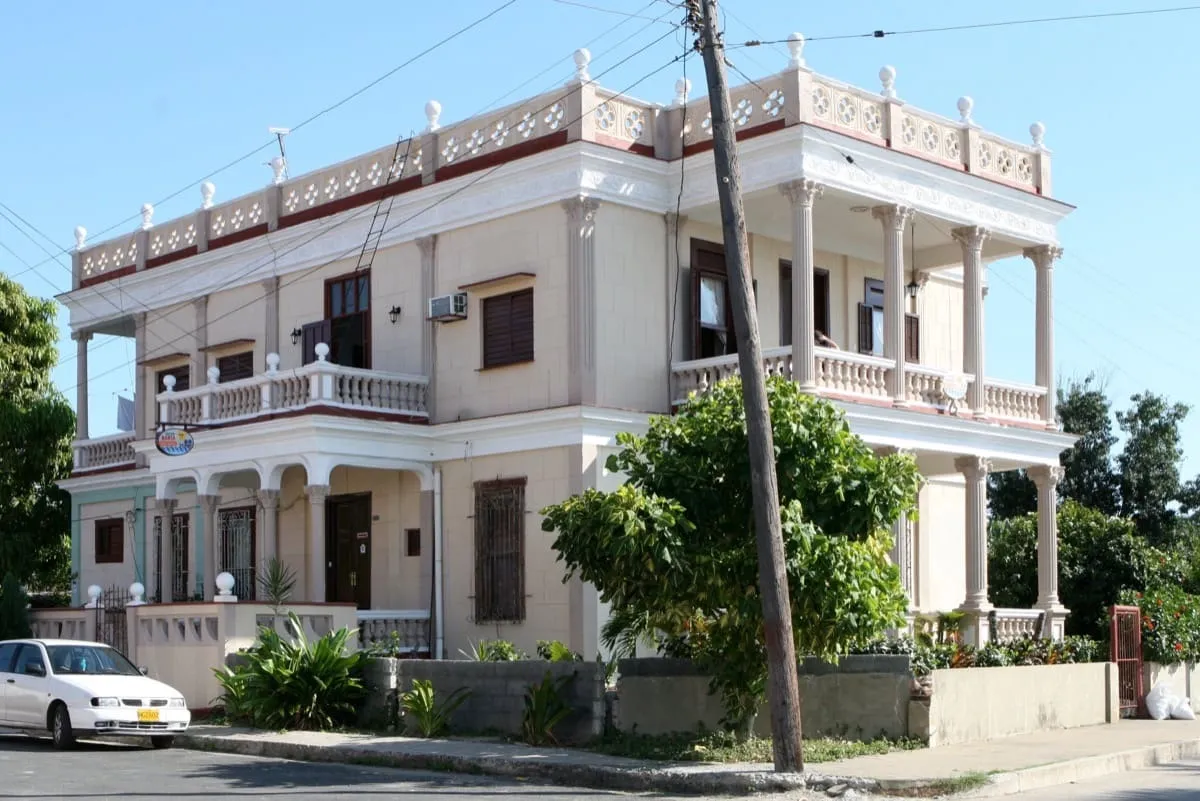
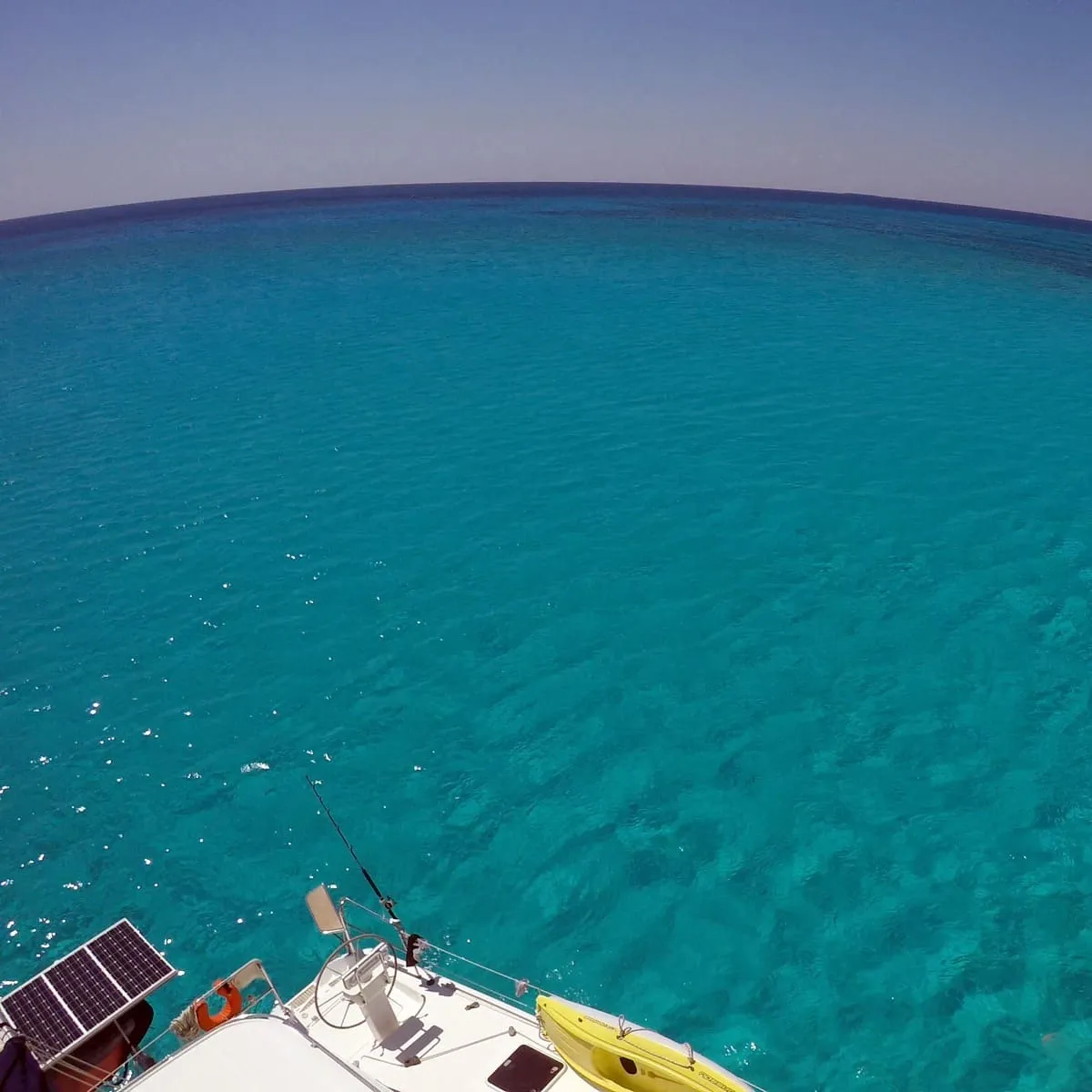
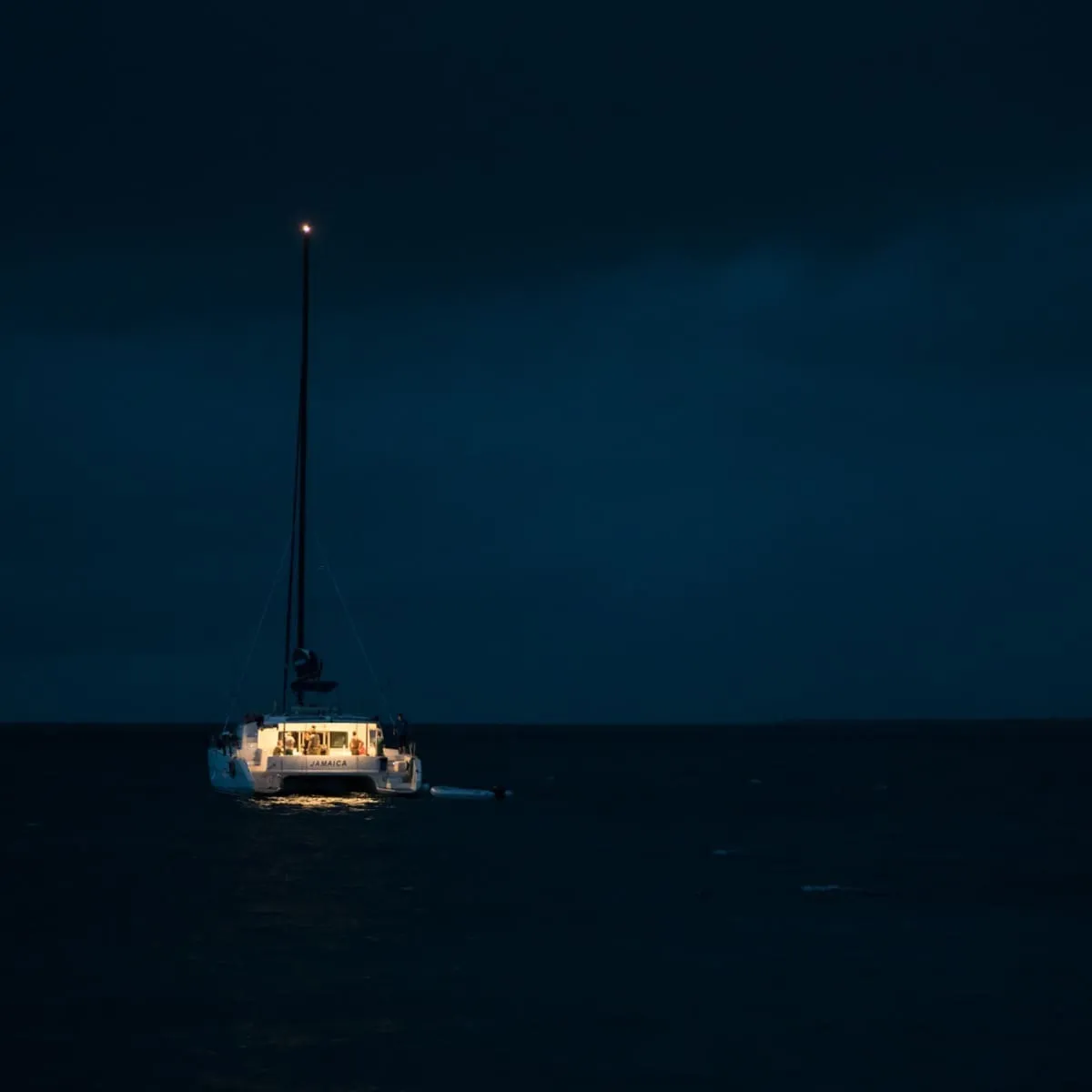
In 2018 Cienfuegos I was the starting point of a sailing trip. There are some charter fleets but I was joining a friend for a passage from Cienfuegos via Cayo Largo, Isla de la Juventud, Maria la Gorda, to Marina Gaviota Cabo San Antonio where we checked out to cross to Mexico.

Trinidad
The highlight. Just like Cienfuegos Trinidad is UNESCO world heritage and when you walk through the streets of this little town you know why. It was the city we enjoyed most. If only fewer tour groups were around.
The casa hunt here followed the usual pattern. The recommended Casa Escobar sounded better on paper. Casa Arandia with its huge colonial patio was beautiful. Booked out of course. Through the recommendation network we ended up at Casa Mercedes Mauri which was one of the best places we stayed at. Seems like it’s no longer around unfortunately. A colonial house with a nice patio, private bath and the only place where we got proper bread for breakfast. The resident parrot was just funny, calling us when it was bored.
For dinner go to the paladares “Sol y Son” and “Estela”. Both where really great - back then at least.
Near Trinidad there is a nice waterfall. We took a horse riding tour to get there. I had a very competitive horse always trying to be first. Quite funny. To reach the waterfall they charge you money …and they check again when you arrive at the falls. Classic.
Santa Clara
Not very spectacular. We managed to get there when the one thing I wanted to see (the Che museum) was closed. Better check the opening times. Casa Florida Center looked fantastic. One of the best we’ve seen. Couldn’t get a room of course. Again: book way in advance.
What to Bring
Cuba requires more preparation than most destinations. Bring enough cash in USD or EUR for your entire trip in small bills. Your prescription medicines, sunscreen, insect repellent, basic toiletries. Shops do not reliably stock any of this.
A power bank and a headlamp for the daily blackouts. An eSIM installed before departure. A VPN installed before departure. Offline maps downloaded before departure. Snacks for when food variety runs out.
Final Thought
It’s hard to squeeze multiple trips into one article. And this probably sounds more negative than intended. Cuba is genuinely complicated travel. Not a beach vacation. Not a budget destination. But the country is unlike anywhere else. Genuine connections happen. And just the opportunity to take pictures was worth it every time. I hope this helps someone avoid some annoyances and have a better trip.