Pelion - The Hidden Gem of Greece
A practical guide to Pelion in Greece. Beaches, villages, food and how to get there. One of the most beautiful and least touristy regions in the country.
February 2026
Pelion is a wooded peninsula in central Greece, jutting into the Aegean Sea south of Volos. The eastern coast drops steeply from forested mountains to clear water. The western side faces the calmer Gulf of Pagasai with gentler terrain.
What makes it different from the islands: you get excellent beaches without a ferry. You get cool mountain air even in August. You get stone villages with centuries of history. And almost no mass tourism.
We drove here from Thessaloniki in August 2007 during a heat wave. The news was full of wildfires. We even passed one on the way down. But the moment we entered the mountains everything turned green. Temperatures stayed around 25-30°C with a light breeze. It felt like a completely separate climate zone.
Getting There
The gateway is Volos. It sits roughly 330 km from Athens (4-5 hours by car) and 215 km from Thessaloniki (about 2.5 hours).
KTEL buses connect Athens to Volos. From Volos, local KTEL buses reach the main villages but service is infrequent. Renting a car is the most practical option for exploring properly. Roads are narrow and winding through the mountains, but manageable.
Nea Anchialos Airport (VOL), 30 km from Volos, handles seasonal charter flights from European cities in summer.
The Sporades islands (Skiathos, Skopelos, Alonissos) sit just off the northern tip of the peninsula. Fast ferries connect them to Volos. Combining Pelion with a Sporades leg is easy.
The Peninsula
Pelion divides into three zones worth knowing before you plan.
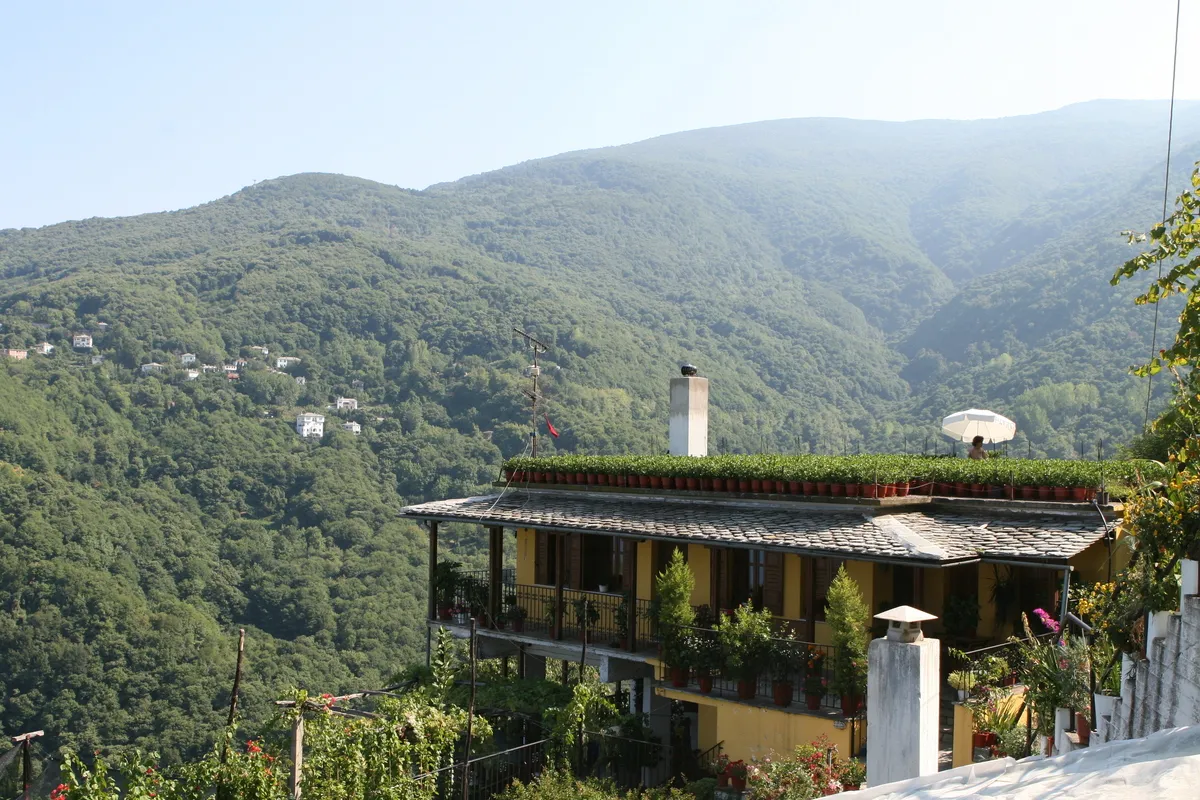
Eastern Pelion faces the Aegean. Mountains drop steeply to the sea. Dense forests of chestnut and oak cover the slopes. The best beaches are here. Villages like Tsagarada, Mouresi, and Zagora sit at altitude and stay genuinely cool even in midsummer.
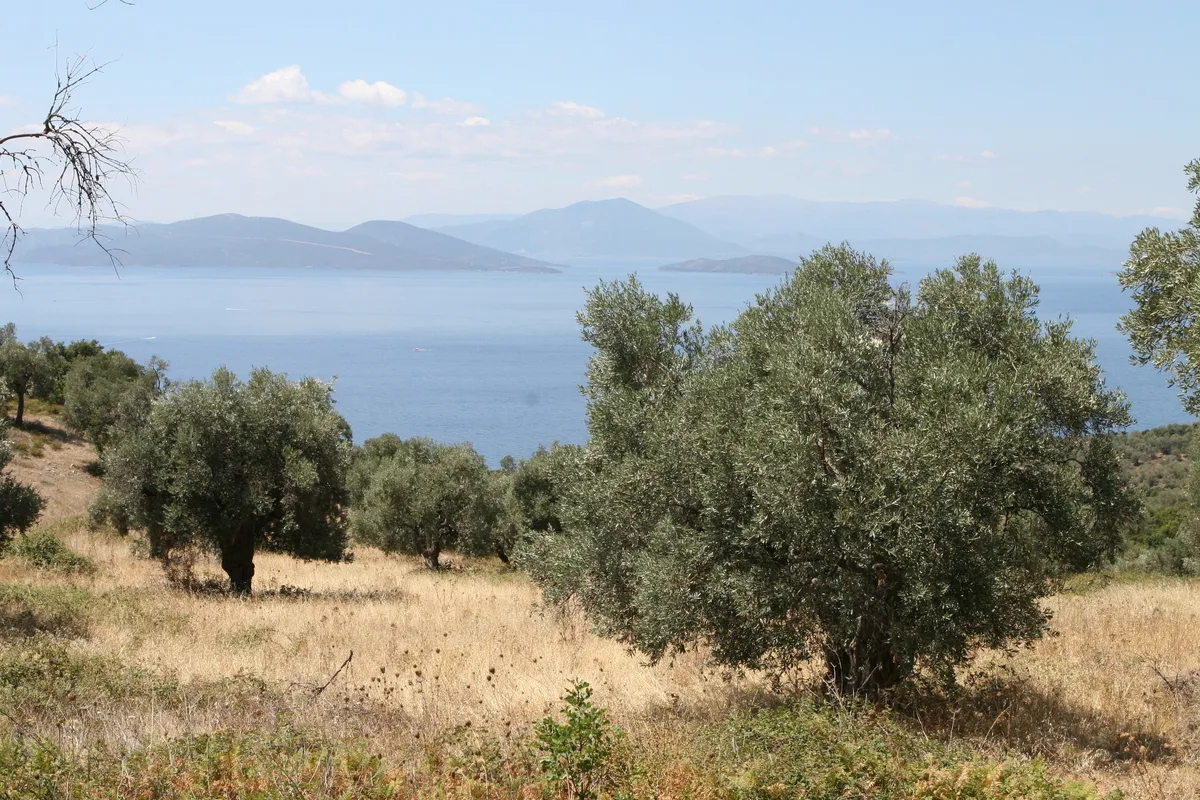
Western Pelion faces the Gulf of Pagasai. Terrain is gentler with more olive groves. Makrinitsa and Portaria sit just above Volos and have the most tourist infrastructure. The beaches on this side are calmer but less dramatic.
Southern Pelion is the quietest zone. Villages like Argalasti and Milina see few visitors. The small island of Paleo Trikeri is car-free and reachable only by boat from Milina.
Villages
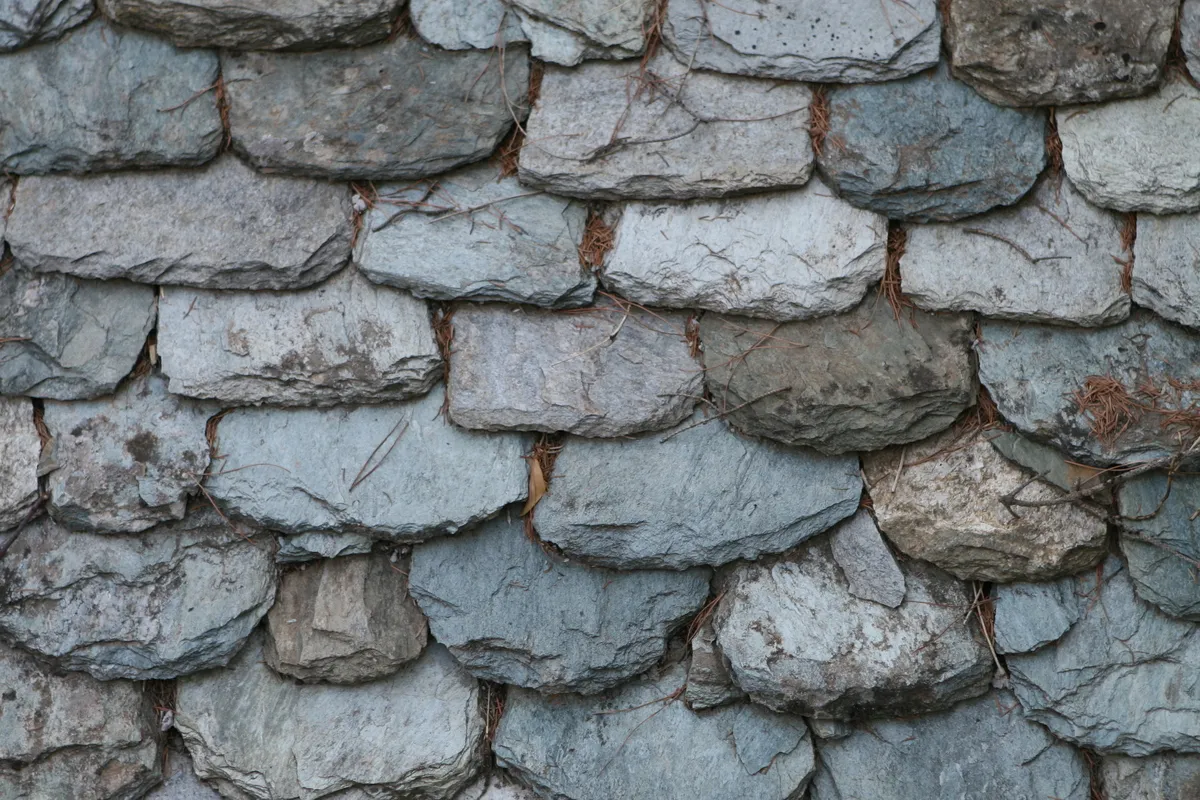
All Pelion villages share a characteristic look: stone houses with slate roofs, carved wooden balconies, Byzantine churches, sculpted stone fountains, and cobblestone paths. Many of these villages were prosperous trading centres in the 18th and 19th centuries, with unusual autonomy under Ottoman rule. The wealth shows in the architecture.
Mouresi is a small village on the eastern coast, about 500 metres above the sea in dense forest. Almost no foreign tourists. Greeks clearly know about it, though.
Tsagarada is the best-known eastern village. The central square has a plane tree reportedly over 1,000 years old. Worth a stop just for a coffee under it.
Zagora is one of the larger villages, known for its historic libraries and the local Firiki apple variety. Even under Ottoman rule this area had a culture of education.
Makrinitsa on the western side is called the “balcony of Pelion” for its views over Volos and the gulf. More visited and more developed than the eastern villages.
On the way back to Volos we stopped in Milies, Vizitsa, and Agios Giorgios. All beautiful and worth a stop if you have time. The restored Pelion Railway runs between Ano Lechonia and Milies on weekends. A narrow-gauge steam train through the countryside is a worthwhile excursion.
Pelion is also the mythological home of the Centaurs. Chiron, the wise centaur, tutored Achilles and Jason on these slopes. The ancient city of Iolcos near Volos is where Jason gathered the Argonauts before setting off for the Golden Fleece.
Beaches
The eastern Aegean coast has some of the best beaches in mainland Greece. Frankly speaking the clear water can rival the beaches all around the world.
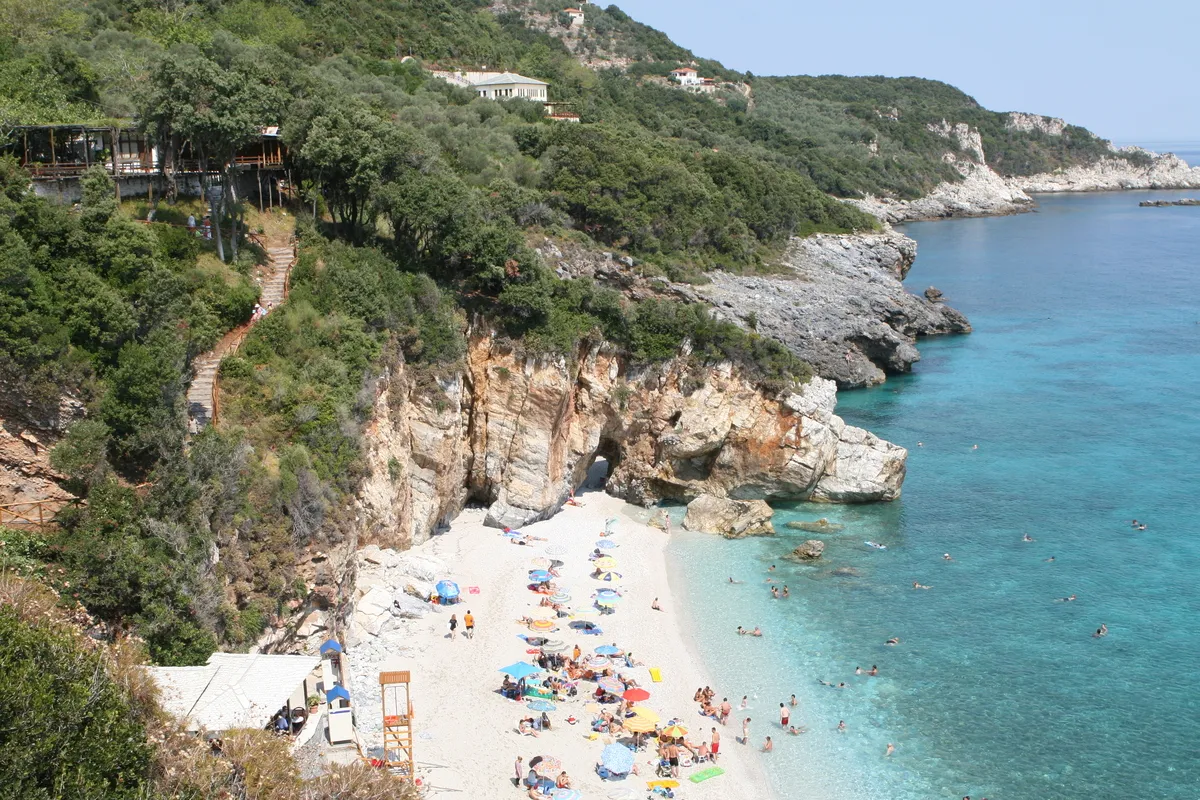
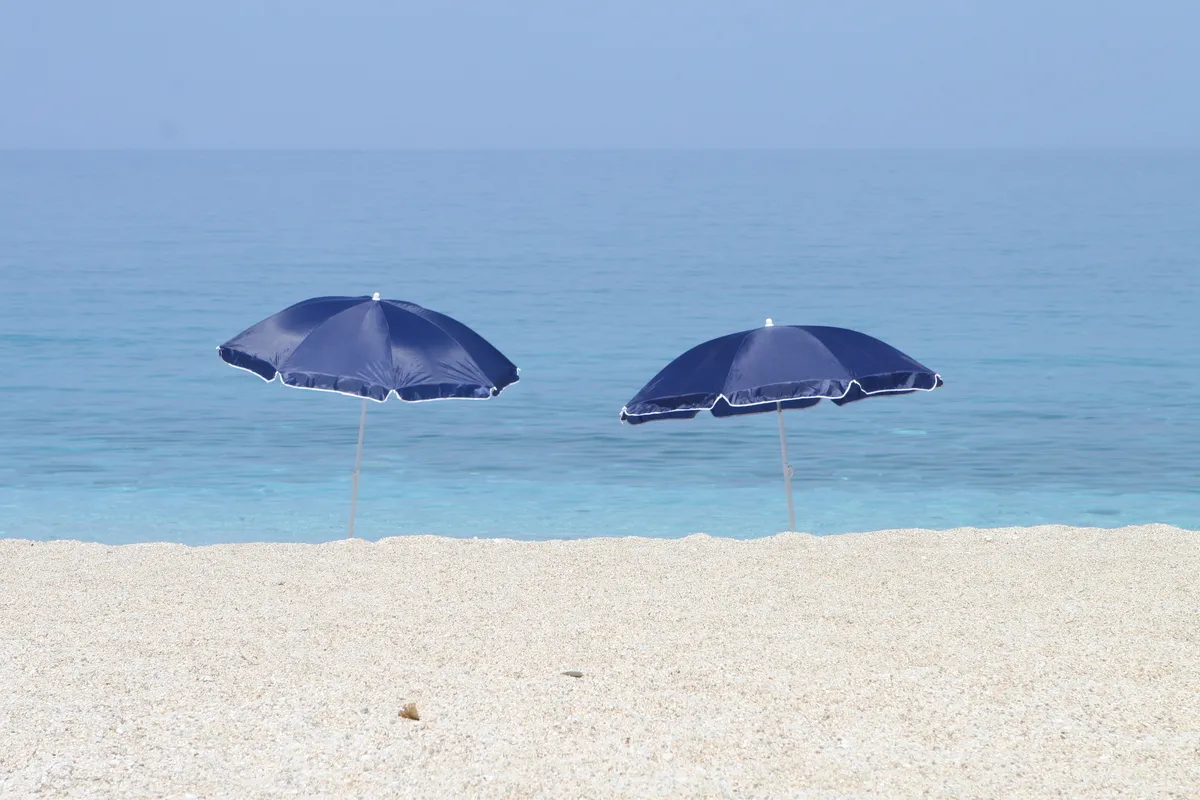
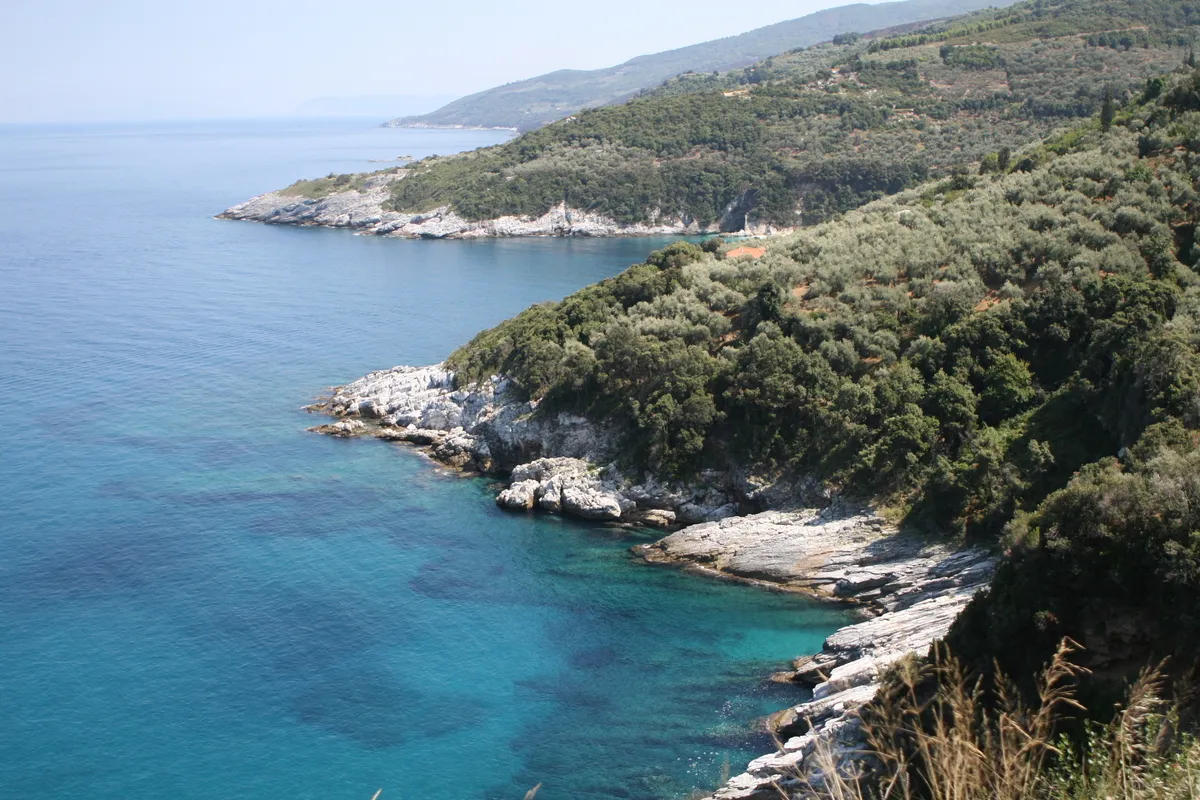
Fakistra is the most remarkable. White pebbles, turquoise water, rock formations on all sides. No road access. You reach it by a 20-minute path down through the forest. No facilities, no sunbeds. Two sea caves on the northern side contain an old hidden school and a small church. Some publications have placed it among the most beautiful beaches in the world.
Mylopotamos is larger, with a natural rock arch splitting the beach into sections. Also reached on foot (about 20 minutes down). Sunbeds and a restaurant are available here. Less isolated than Fakistra but still excellent.
Damouchari is a small fishing village with a port and a separate pebble beach reachable by path. Part of Mamma Mia (2008) was filmed here.
Agios Ioannis is the main organized beach on the eastern coast. Sunbeds, water sports, cafes, and hotels right next to the water. Good for families or a more relaxed day.
We also liked Plaka, which is easy to reach by car. Limnionas needs a jeep or a boat. Our rental Twingo was not up to the task.
If you want quieter beaches, avoid the first two weeks of August.
Food
Start your time in Volos, even if only for one evening.
Volos has a tradition unlike anywhere else in Greece: Tsipouradika. These are restaurants where each round of tsipouro (a pomace spirit, similar to grappa) automatically arrives with a different small plate of meze. You order drinks. The food comes without ordering. The tradition started with Asia Minor Greek refugees who settled here in 1922. One “25th” (a 50ml bottle) per person is the standard unit.
In Pelion, the dish to try is Spetzofai: local pork sausage slow-cooked with peppers and tomato. Served widely and genuinely good. Kopanisti Volou is a spicy orange cheese dip with garlic and tomato. The local Firiki Apple is worth seeking out fresh or as preserves.
In Mouresi, Kafestiato at the top of the village was the best meal of our entire two weeks. Ovaggeanz near the Silk Store was also good and popular with locals. Aganitos further down the hill has more ambiance. Even the restaurant at the village square was decent.
Nights start late in Greece. Dinner before 9pm is unusual.
Accommodation
Most rooms in Pelion sit in the €100-160 per night range by now. Higher-end guesthouses and boutique hotels push €180-220. Budget options exist but are limited, especially in the smaller eastern villages.
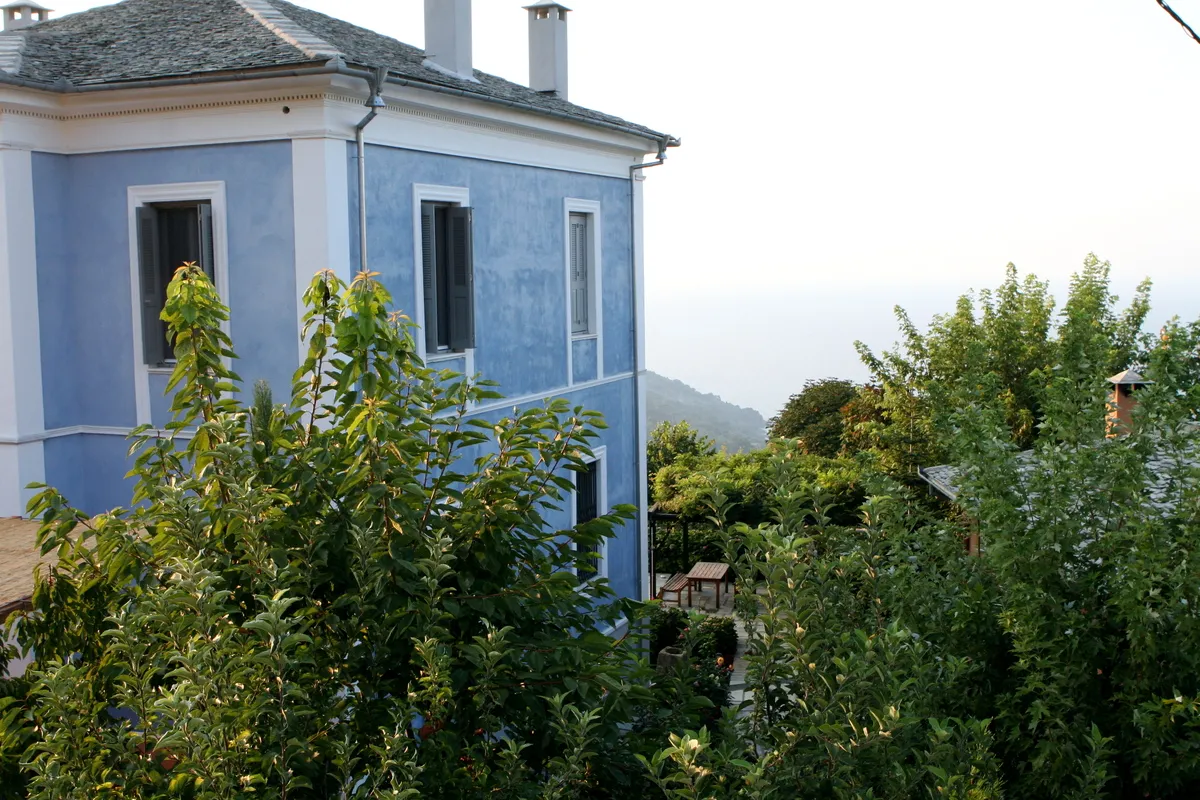
The Silk Store in Mouresi was a nicely converted stone house with blue doors. The owner English and very helpful for organizing trips and onward accommodation. Rooms with sea views. Unfortunately it seems it’s no longer around.
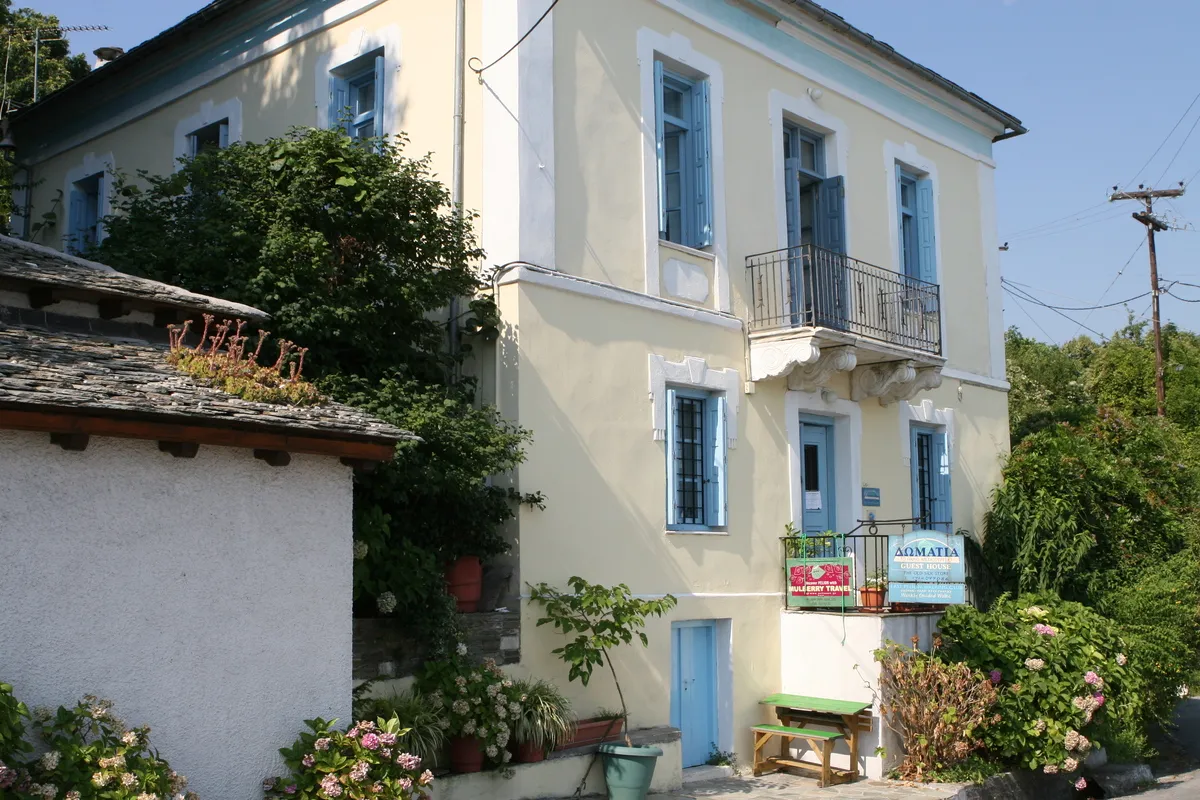
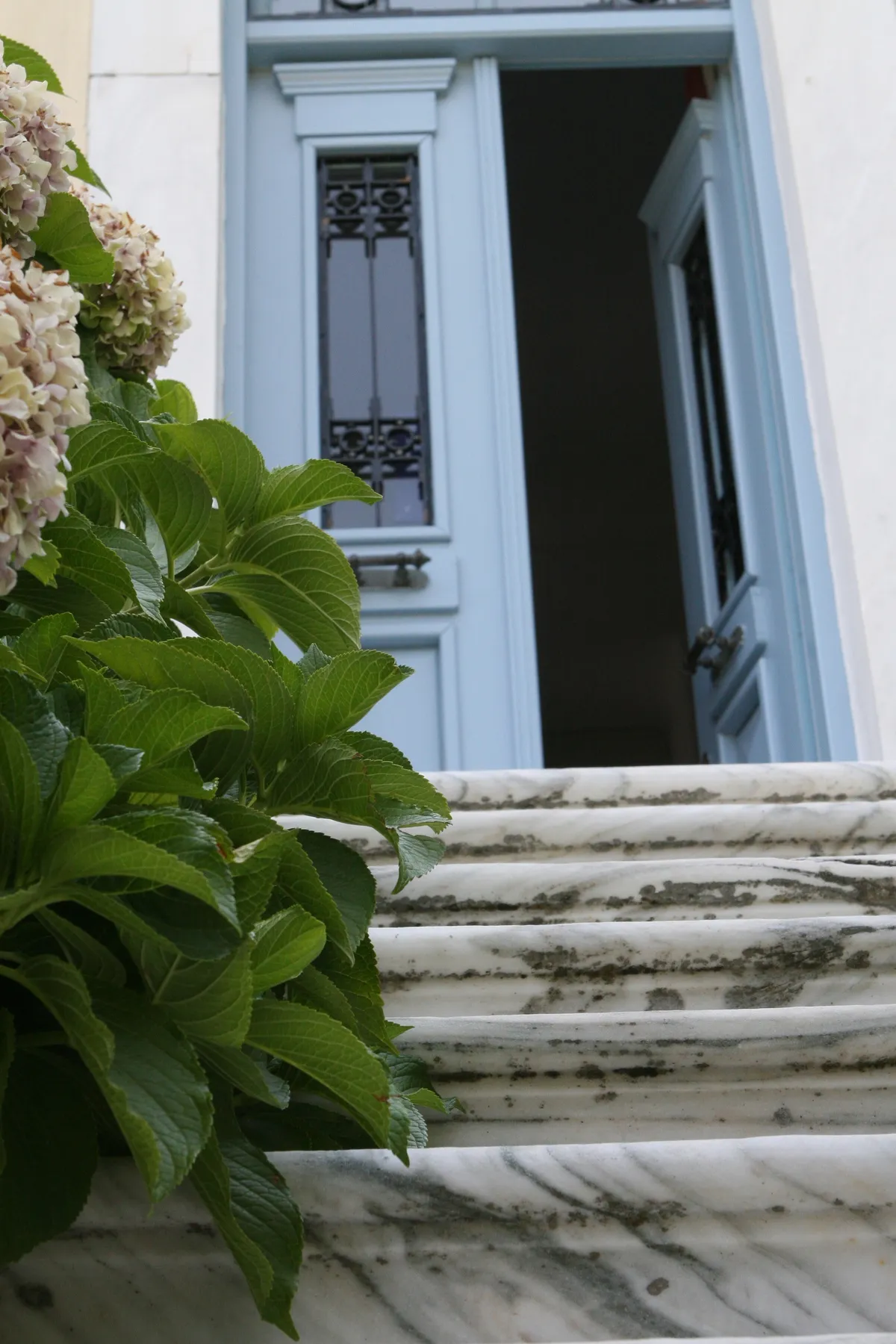
The Bali apartments nearby offered a quieter self-catering option with good views. Better value for families or longer stays. But again - no longer around.
The good smaller guesthouses fill up weeks ahead in peak season. Book early. February and October are the cheapest months. Outside July and August prices drop significantly.
Hiking
Pelion has some of the best hiking trails in mainland Greece. The ancient kalderimi paths, stone-paved donkey tracks, connect villages and orchards across the peninsula. Multi-day routes walking the full length of the peninsula are available, some with luggage transfers between guesthouses. The highest point is Mt Pelion at 1,610 metres.
Winter
Pelion works in winter too. The Agriolefkes Ski Center near Hania operates when there is snow. The stone villages look completely different under winter conditions and many guesthouses stay open for ski weekends.
When to Go
Spring (April to June): Lush, mild, very few crowds. Best for hiking.
Summer (July and August): Beach season. Peak prices and crowds. Book accommodation early.
Autumn (September and October): Often the best time. Warm enough to swim, quieter, harvest season.
Winter (December to February): Quiet, some places close. Good for skiing and an atmospheric village stay.
Final Thought
Pelion stays off most foreign travel radars. Greeks go there. Outsiders mostly don’t. It is one of those places that rewards arriving without too many expectations. The beaches are genuinely great. The villages are genuinely beautiful. The food is genuinely interesting. And it is all right there on the mainland without a ferry, a budget airline, or a tourist strip in sight. It’s been a while now. But it feels like it’s time to go again.