Marrakech - City of Spice
Practical notes from Marrakech, covering riads, the medina, souks, food, Jardin Majorelle and a day trip to Essaouira.
February 2026
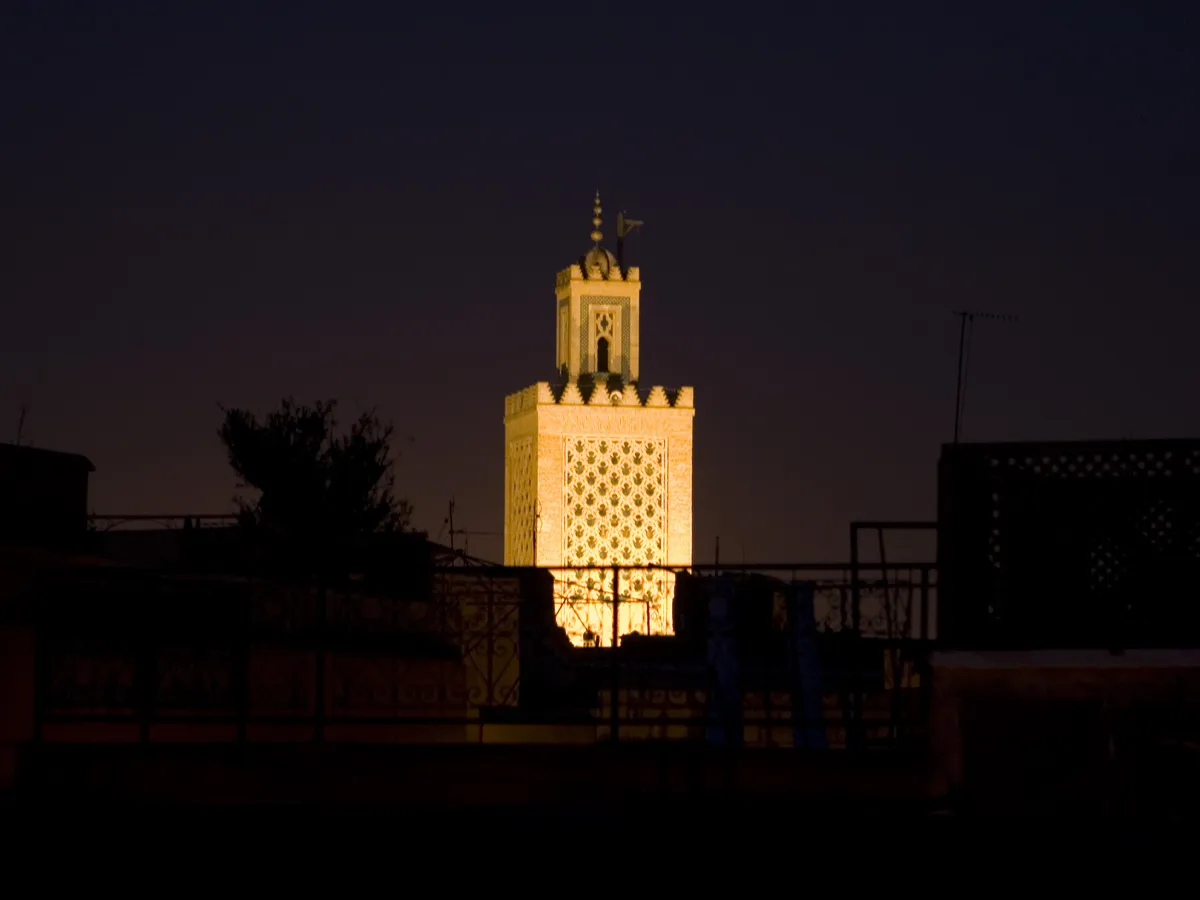
At the doorstep of Africa. Marrakech is just a few hours from Europe but feels like a different world. The medina’s labyrinth of streets, the call to prayer echoing over terracotta rooftops, the smell of spices and leather mixed with mint tea. This is a city that tingles your senses in the best possible way.
We visited in March. The timing was perfect. Days were warm at 27-30 degrees C. Nights got a bit chilly but OK. We dodged the big heat and the tourist crowds. Both Ryanair and EasyJet have direct flights. After years of various route changes, getting to Morocco is easier than ever.
Where to Stay
Staying in a riad in the old medina is a must. Hotels outside the walls miss the point entirely. You want to wake up to the sounds of the medina. You want to get lost in those narrow streets.
Picking a place to stay in Marrakech is hard. But just because there are plenty of beautiful options. But prices have increased since my first visit. Now expect to pay 120-180 EUR for a decent double room in 2026. Budget riads start around 80 EUR off season. The sky is the limit for luxury options.
Booking riads was a strange experience. Many asked for a 50% deposits upfront. Some added service charges that feel questionable. Not sure this is still the case. Read some recent reviews before committing. Also, many riads still didn’t accept credit cards. I hope this has or will change soon. But bringing cash is probably not a bad idea either way.
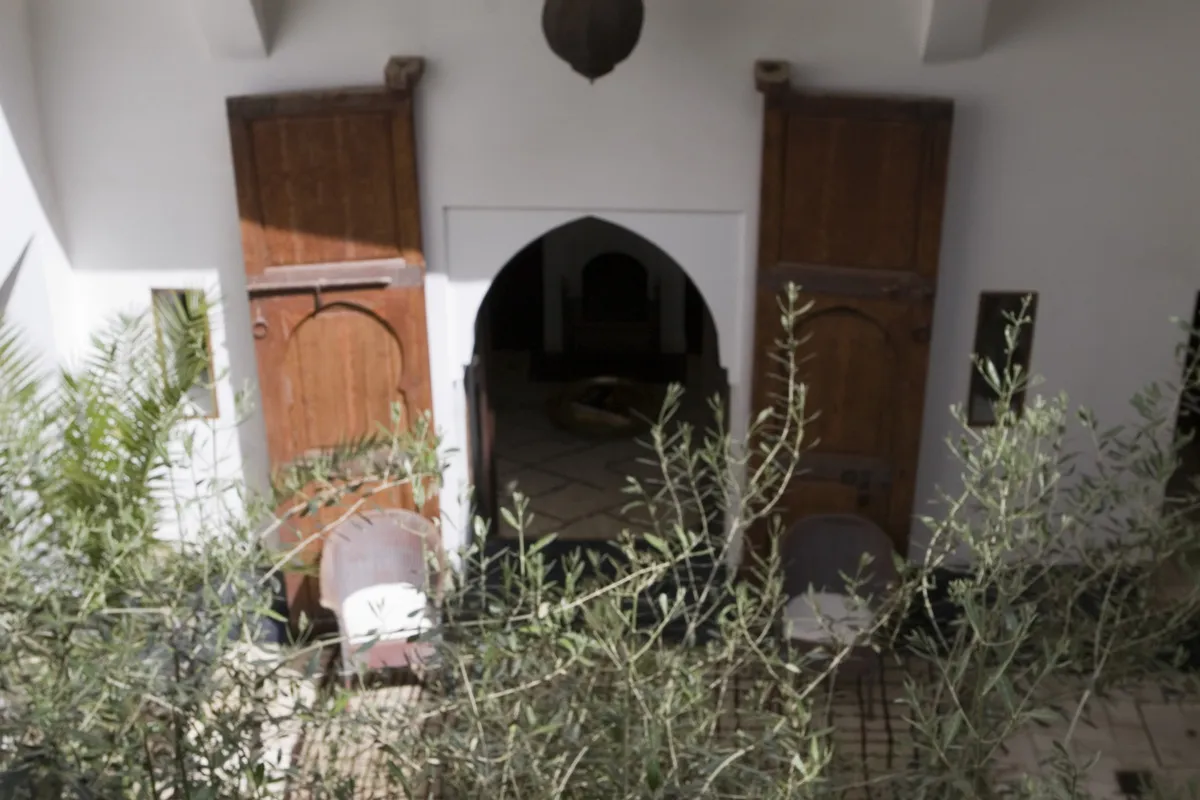
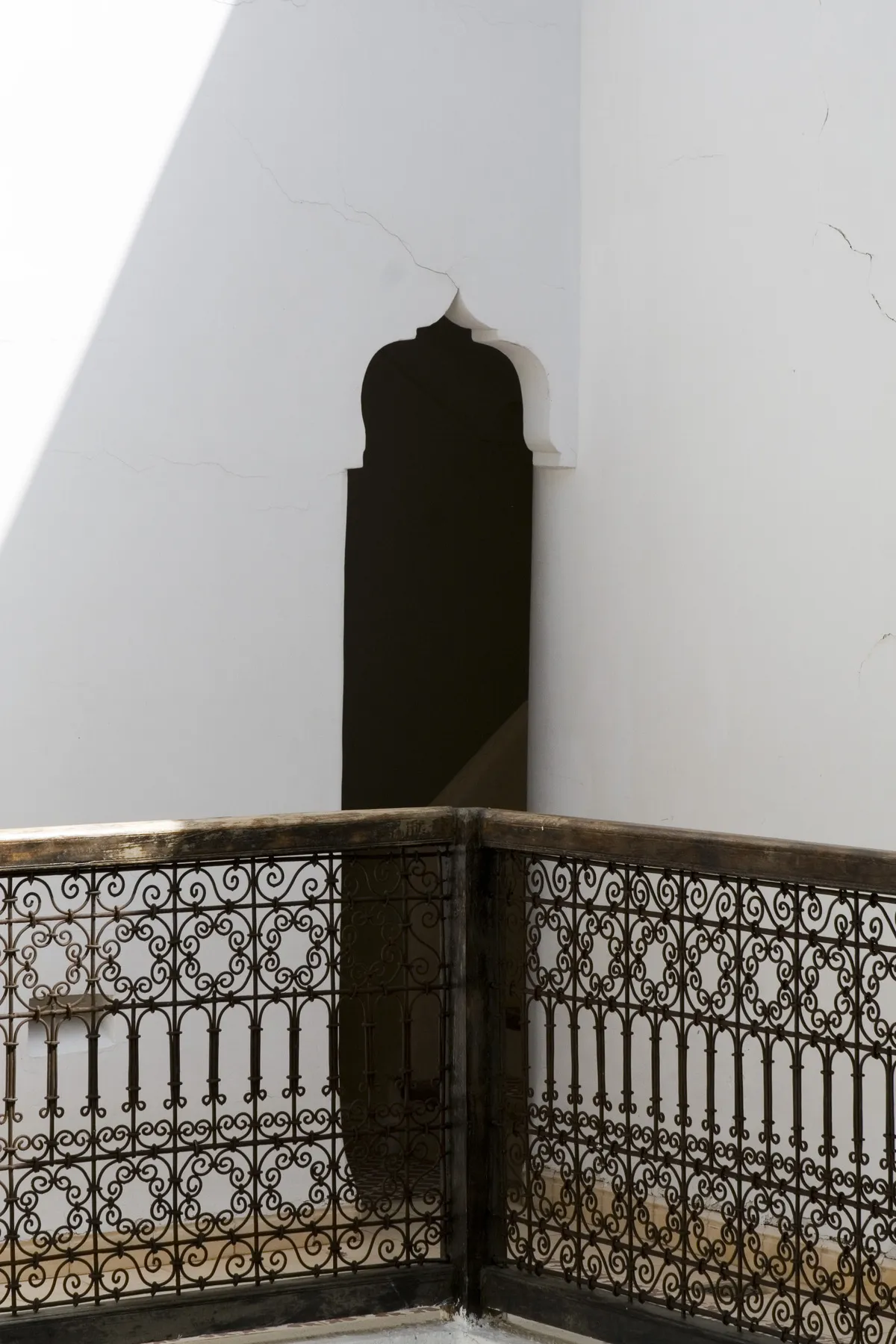
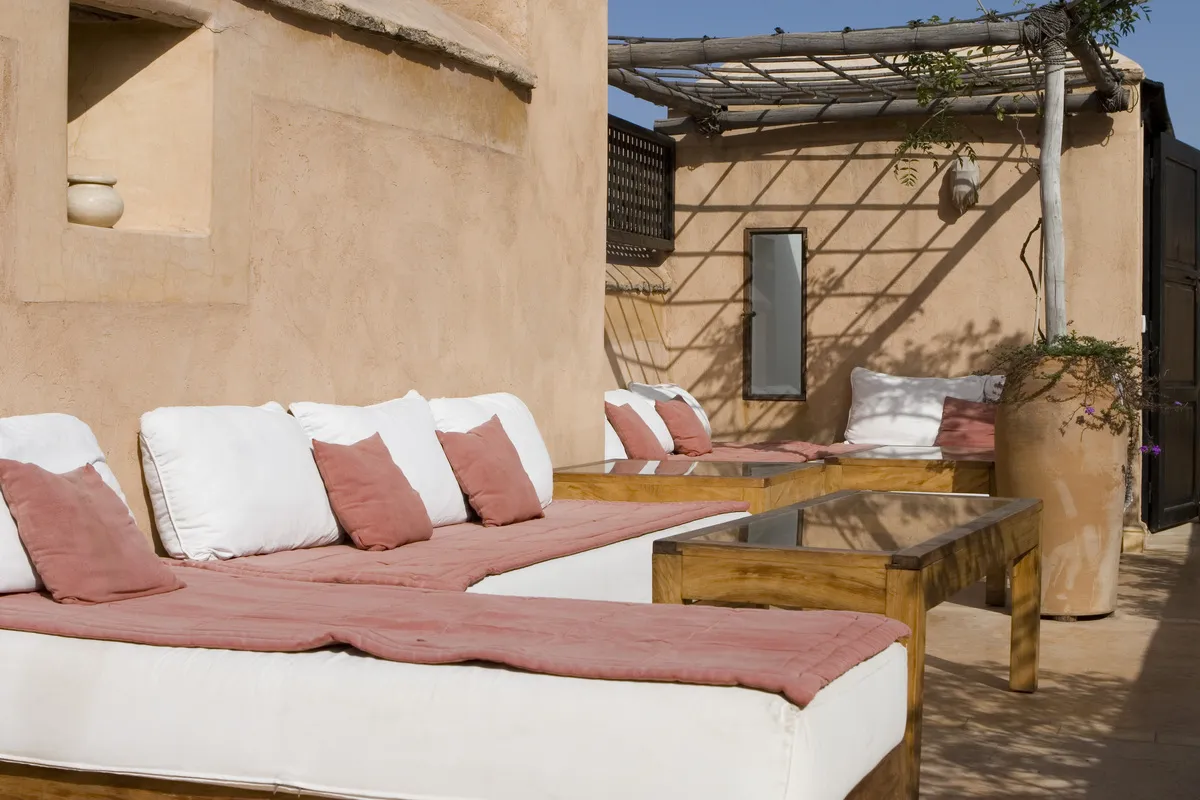
We stayed at Riad Dar Dallah (now 145 EUR per night). Patrick, the French owner, was helpful and welcoming. The location is perfect. Close enough to Jemaa el-Fna to be convenient. Far enough into the labyrinth to be peaceful and quiet. The riad itself was spotless. Traditional architecture with all the modern comforts.
So glad we got picked up from the airport. Seriously. The medina is a maze. You will not find your riad on your own. Most places offer airport transfers for around 20-30 EUR.
Food & Restaurants
Moroccan food is interesting - but it wasn’t our favorite cuisine. The French influence is there but the results are hit and miss.
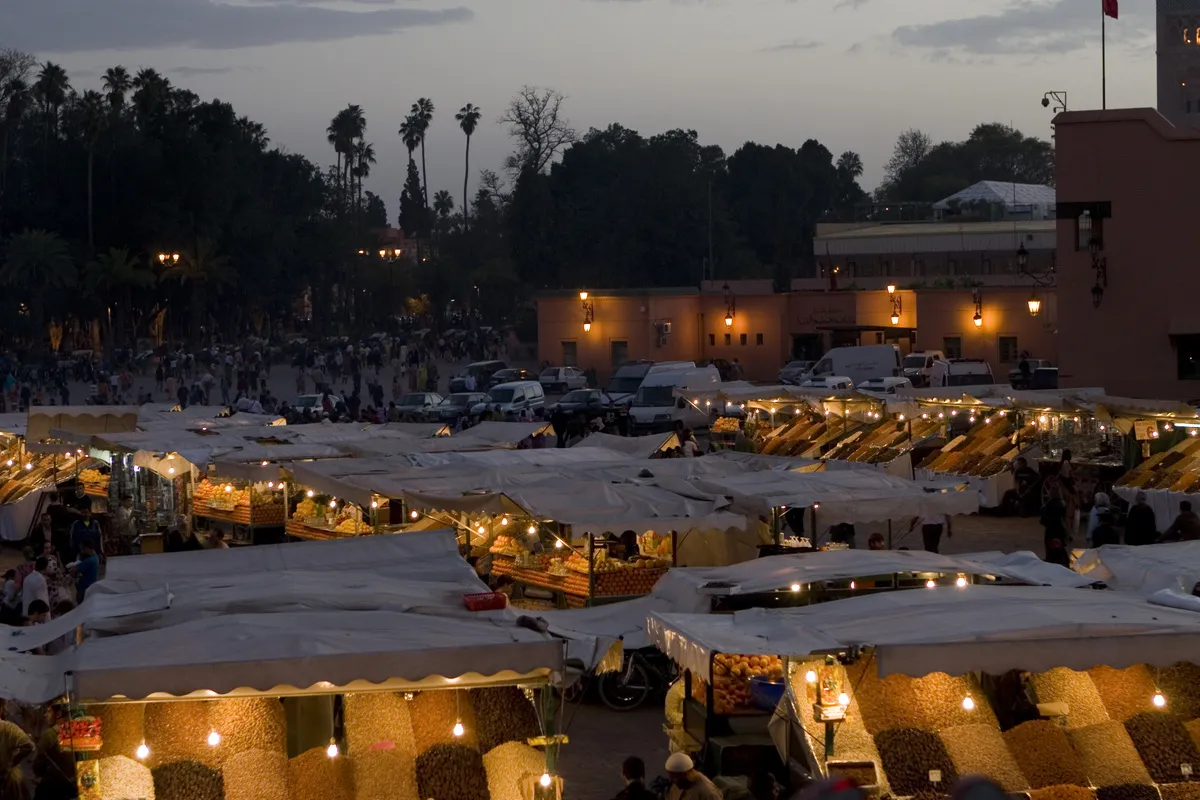
The food stalls at Jemaa el-Fna are an experience you can’t skip. Yes, you might see questionable hygiene practices. I watched someone pour unfinished dishes back into the pot. But the food was genuinely good. And not every stall does this. Look for busy ones with locals eating. Be brave.
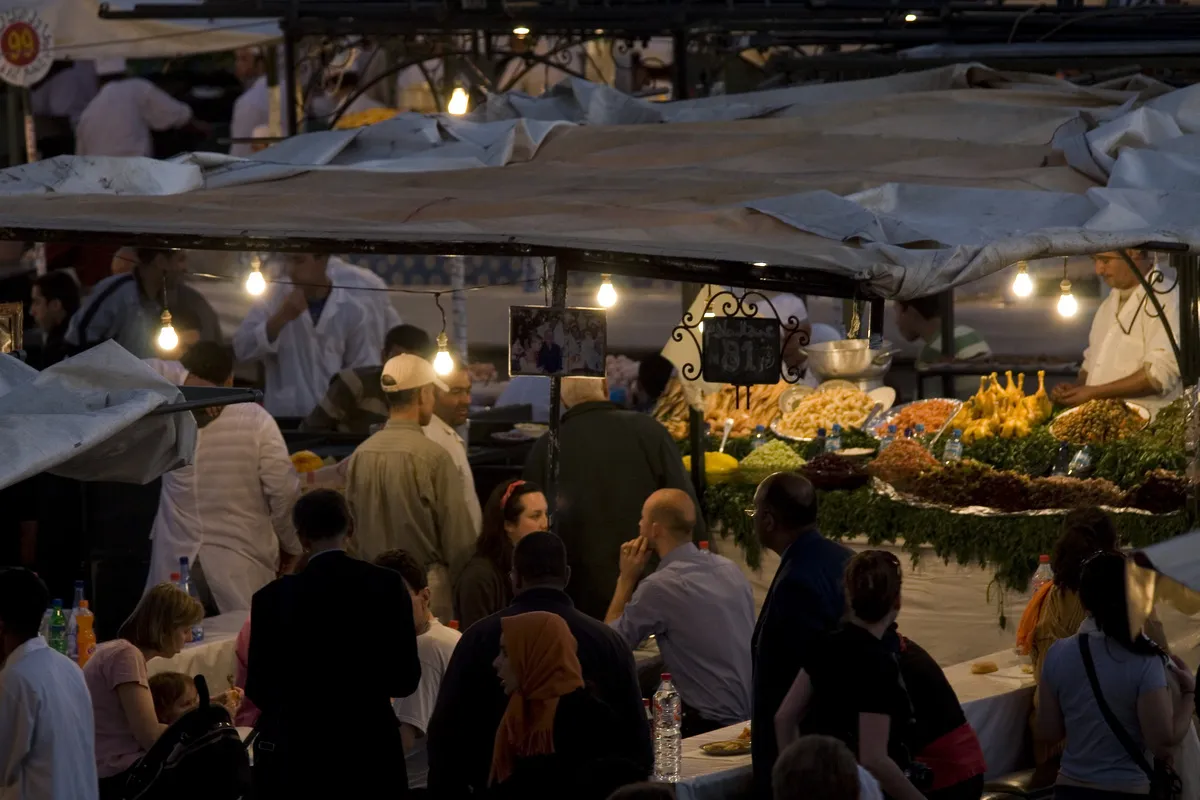
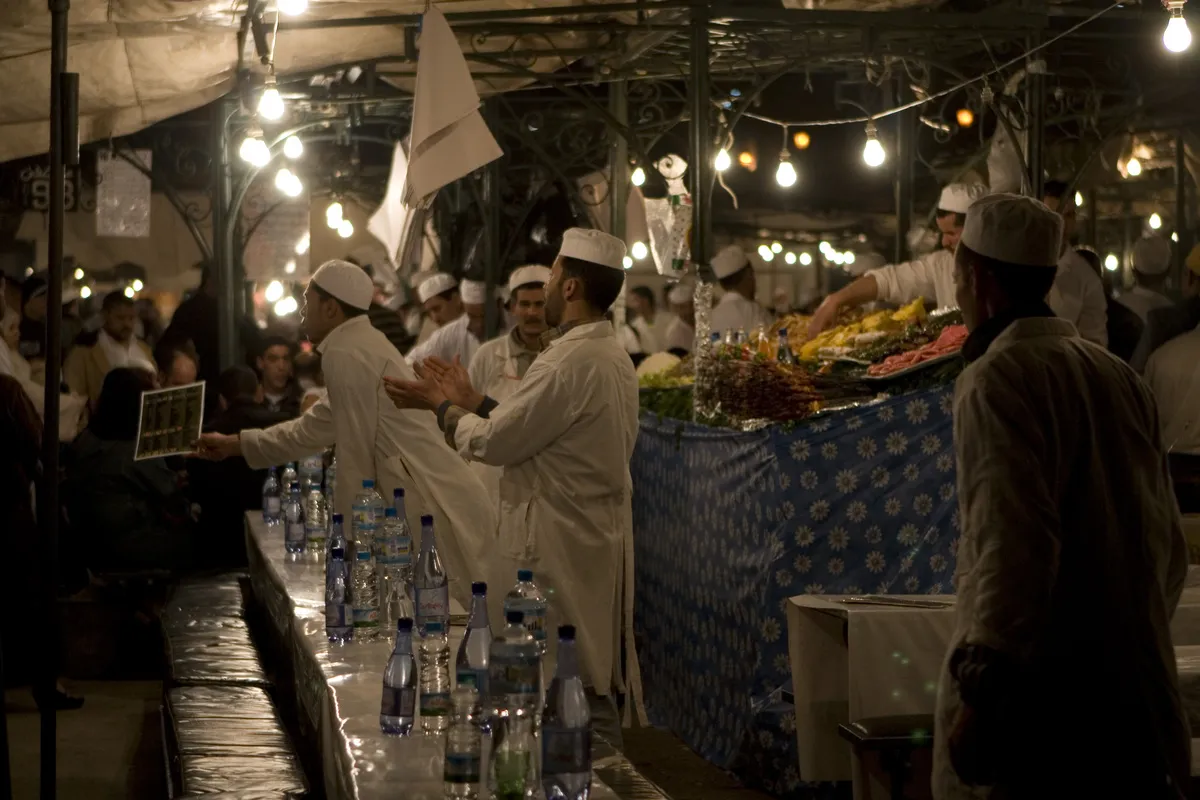
For sit down meals, skip the famous Dar Yacout. Locals say it’s overrated and overpriced. We tried two different options instead. Le Foundouk delivered excellent food in a beautiful setting. The courtyard dining is lovely. Prices are reasonable for what you get. Kosybar has great food but we got terrible service. The rooftop terrace views almost make up for it. Almost.
For a more casual experience, Café des Épices on the spice square is perfect. Sit with a glass of thé à la menthe and watch the world go by. The people watching alone is worth the price.
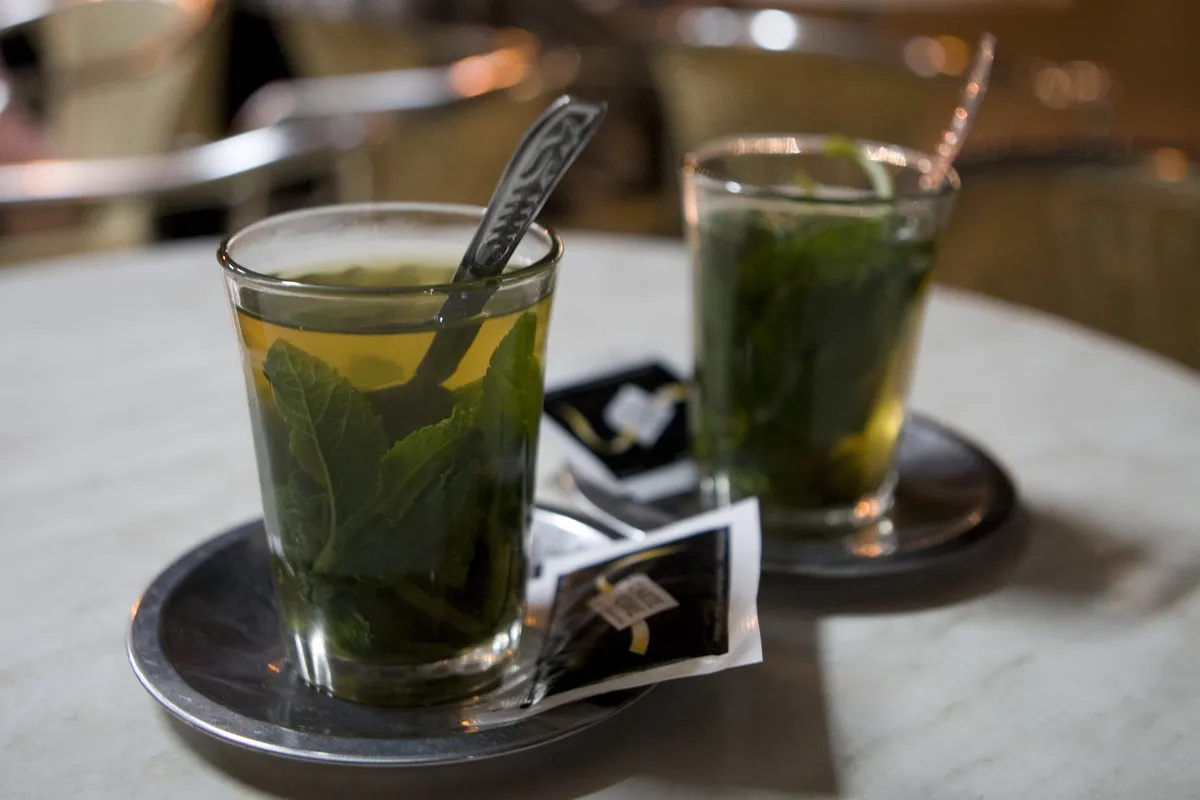
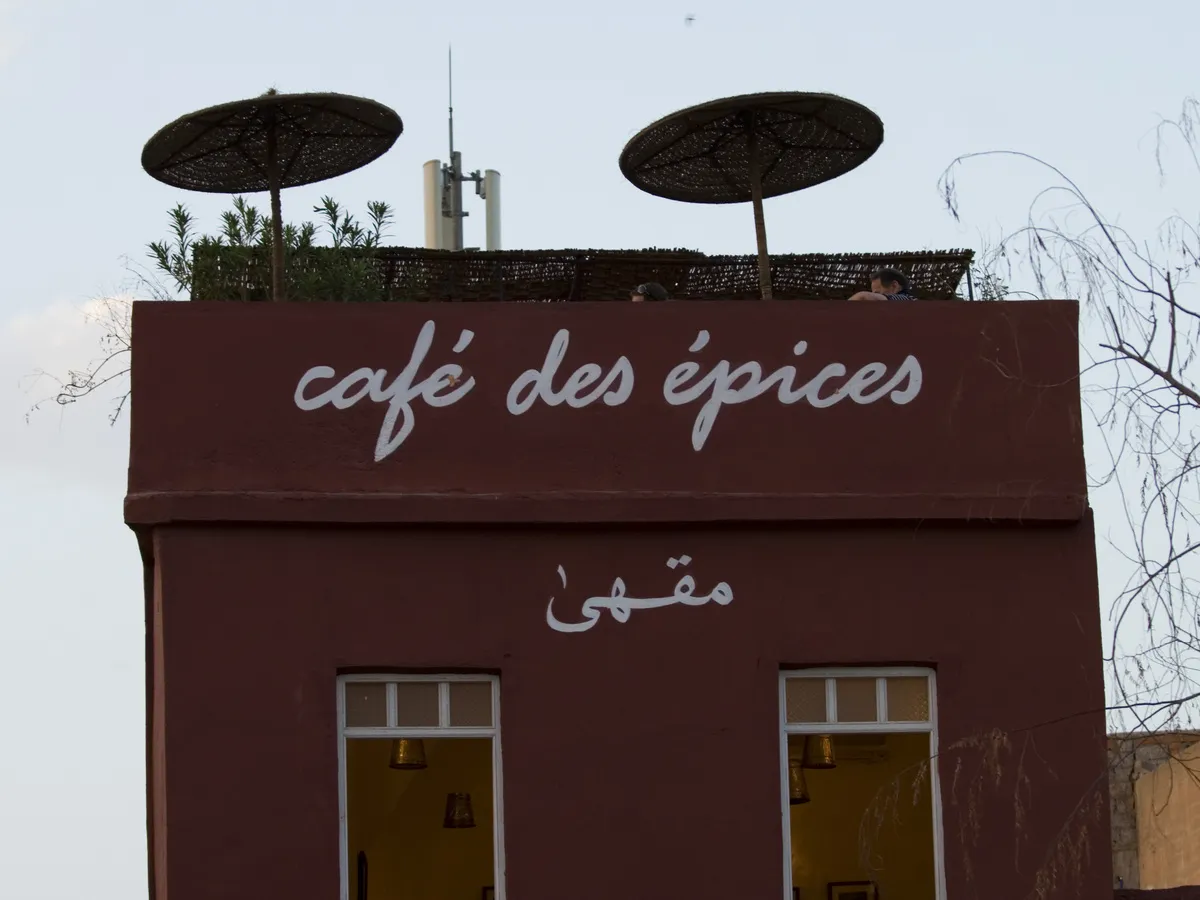
Tajines and couscous are nice. But if you’re expecting mind blowing cuisine you might be disappointed. The real highlights are the street food and the experience of eating in the medina itself.
What to See
Jemaa el-Fna
The beating heart of Marrakech. A UNESCO World Heritage site that somehow lives up to the hype. By day it’s a market square with orange juice vendors and snake charmers. By night it transforms into an open air food court surrounded by storytellers and musicians.
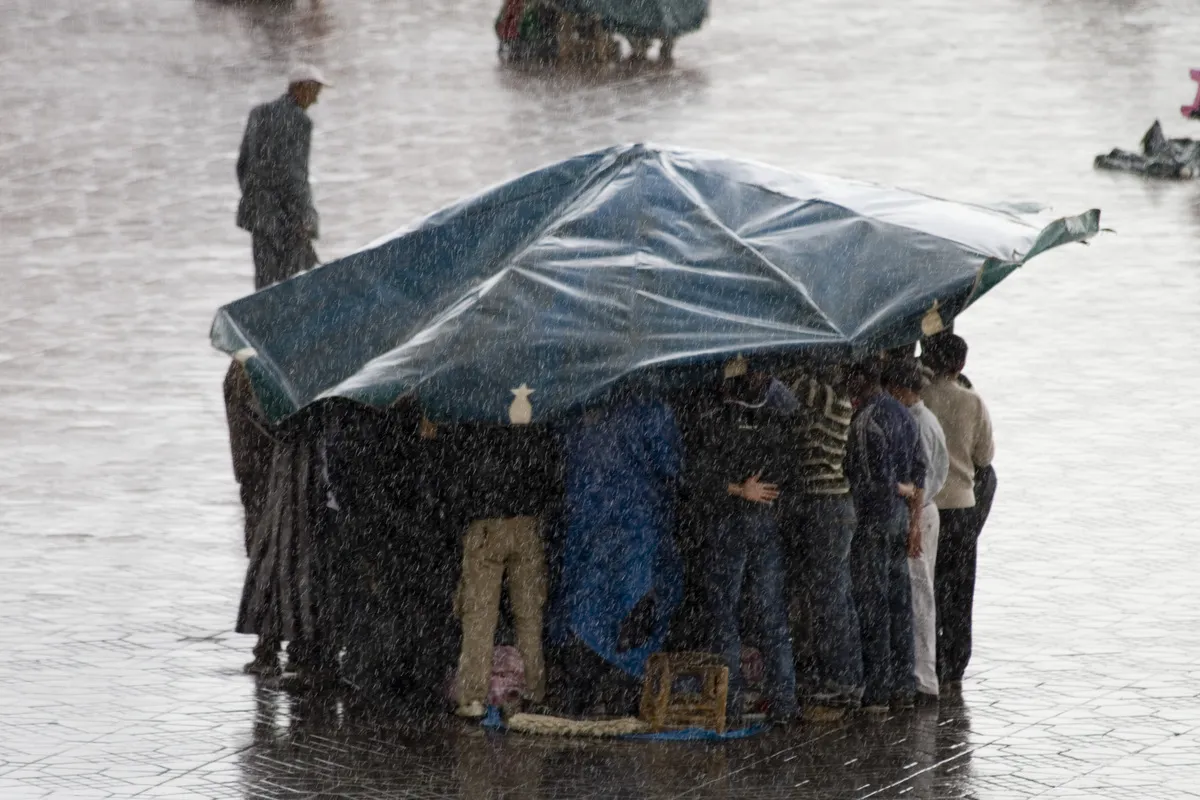
Of course it’s touristy. But it’s also genuinely magical at sunset when the food stalls set up and smoke fills the air.
The Souks
North of Jemaa el-Fna lies the souk district. Endless covered markets selling everything imaginable. Lamps, leather goods, spices, carpets, metalwork, shoes, textiles.
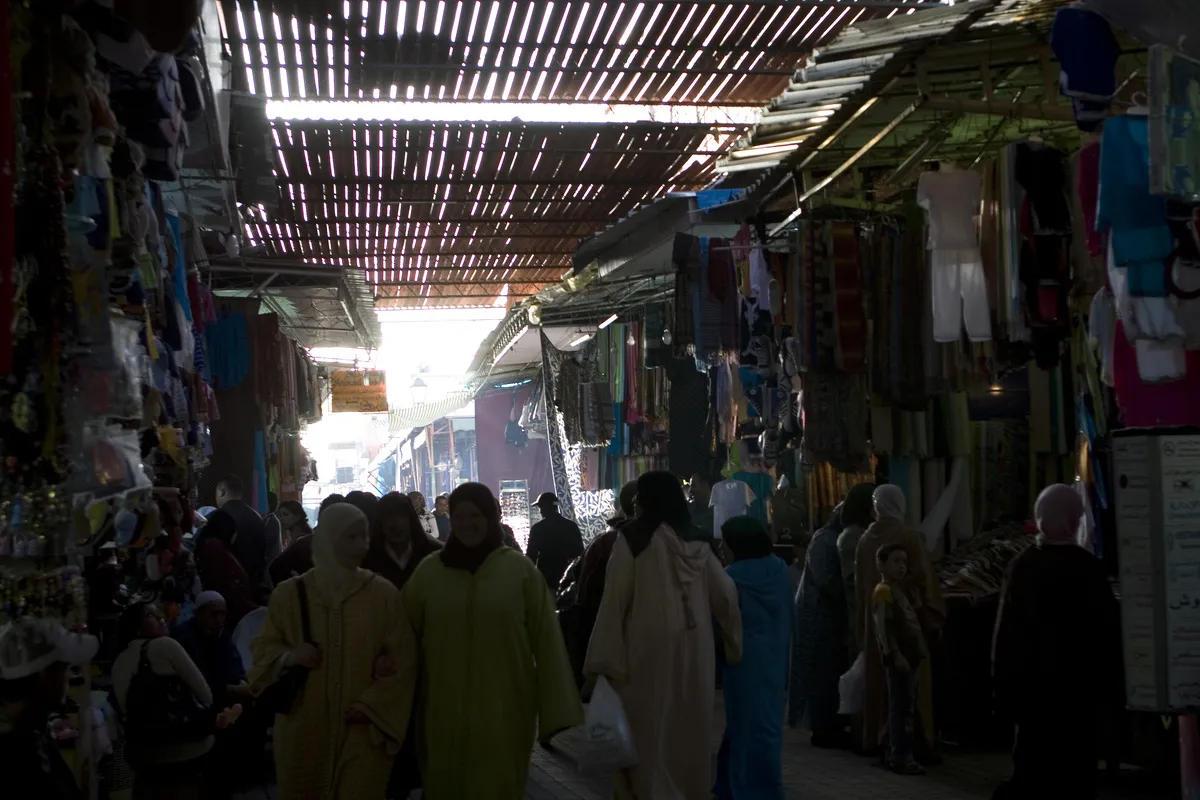
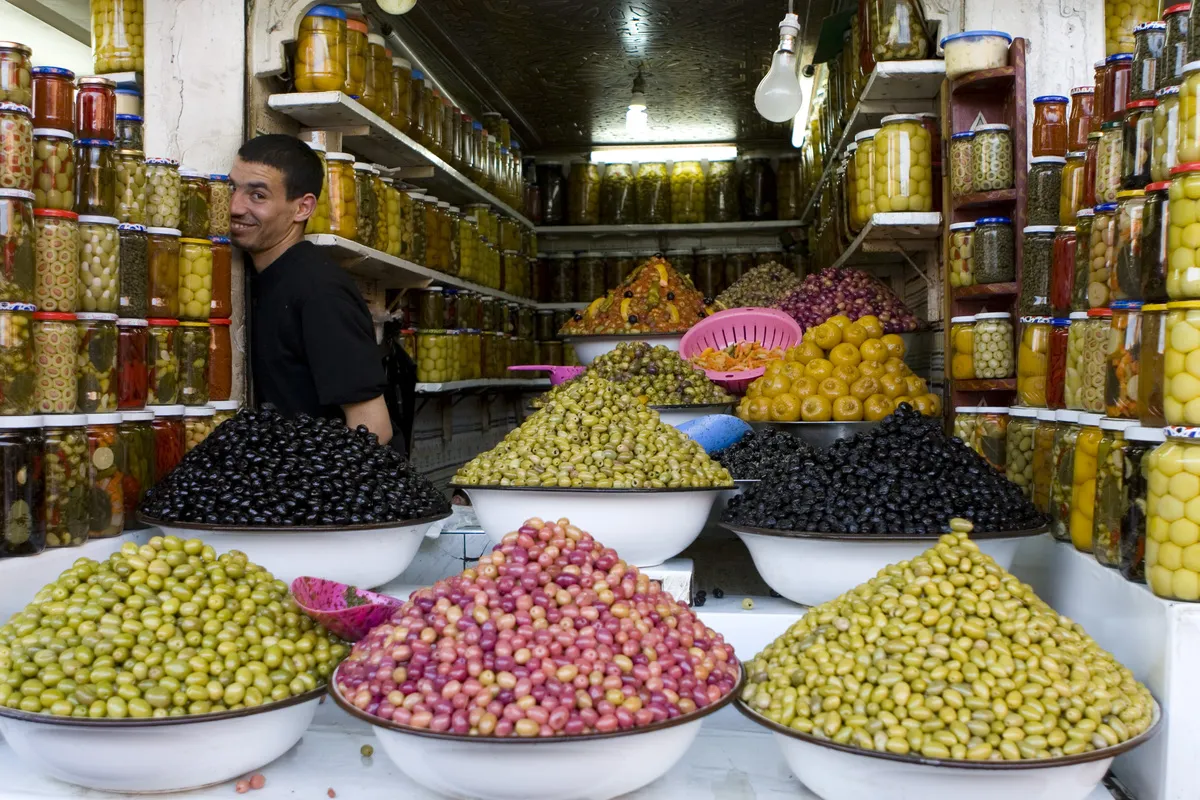
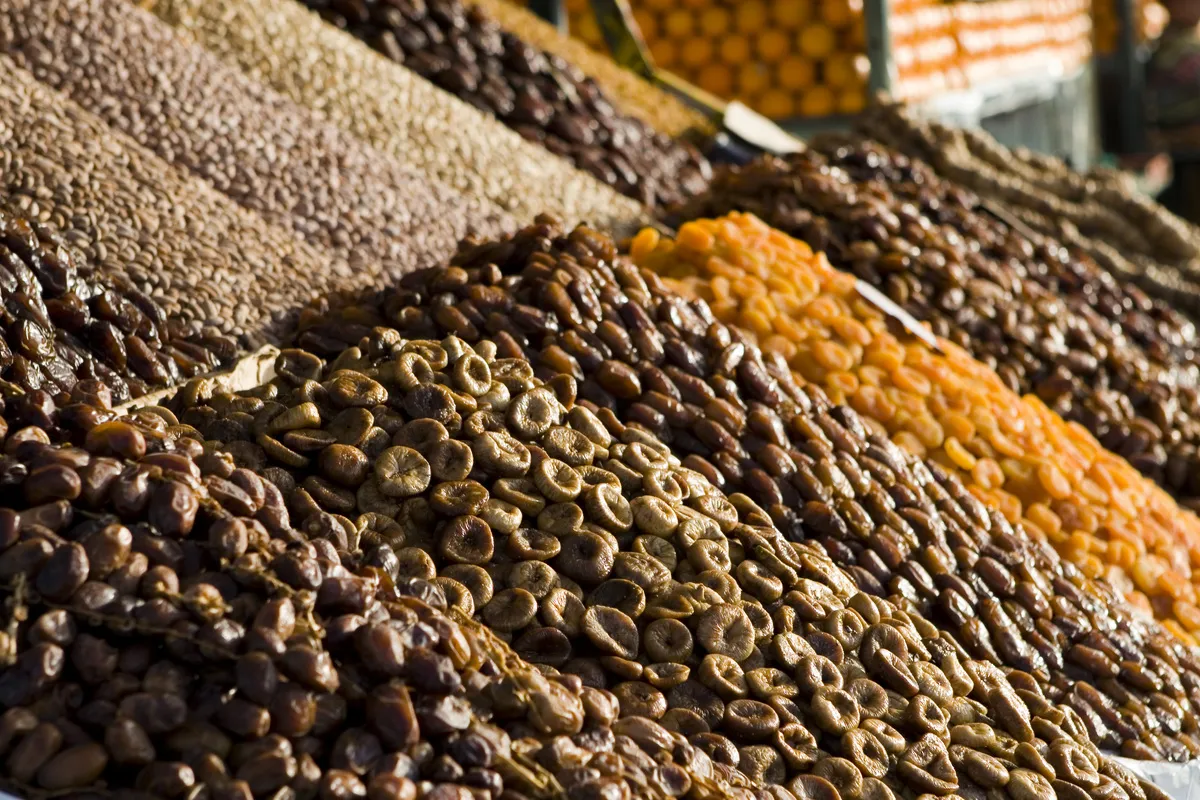
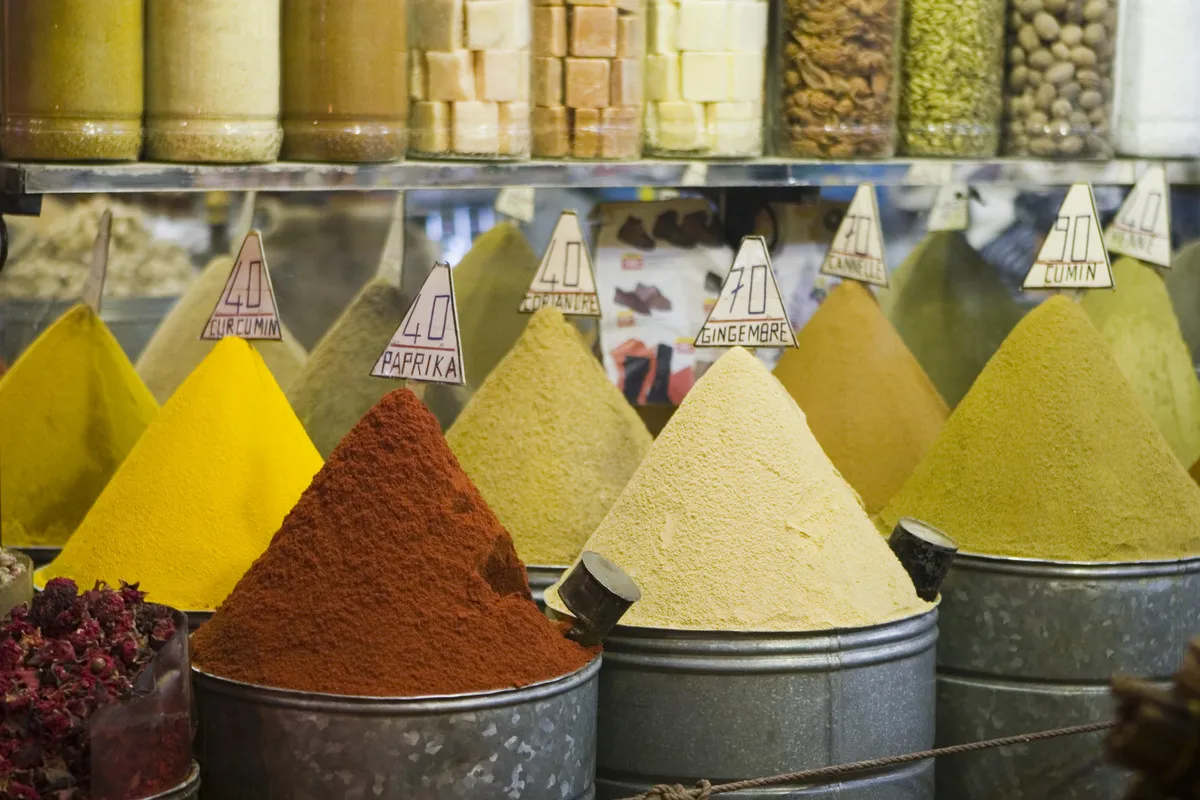
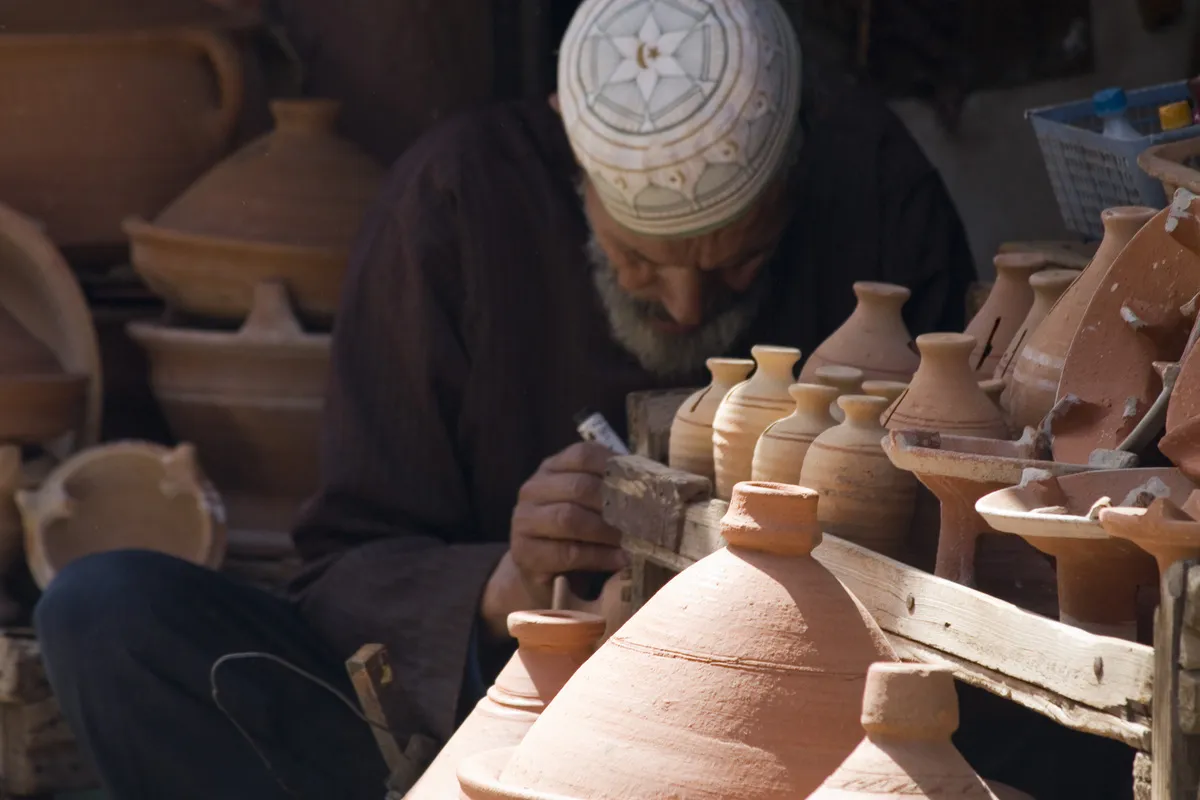
Everyone will try to sell you something “for a good price, my friend.” Haggle hard. Starting prices can be 5-10 times the fair value. Locals told us to haggle not just for ourselves but for them too. High tourist prices hurt everyone.
The spice square (Rahba Kedima) is quieter and more photogenic. Less aggressive selling. More actual shopping.
Jardin Majorelle
Take a taxi. It should cost around 5-8 EUR now (was 2 EUR back then!). The garden is worth it despite being touristy.
Jardin Majorelle was designed by French painter Jacques Majorelle and later restored by Yves Saint Laurent. The cobalt blue buildings against the green cacti and bamboo groves are stunning. Go in the afternoon when the light is best. The saturated colors become even more vivid.
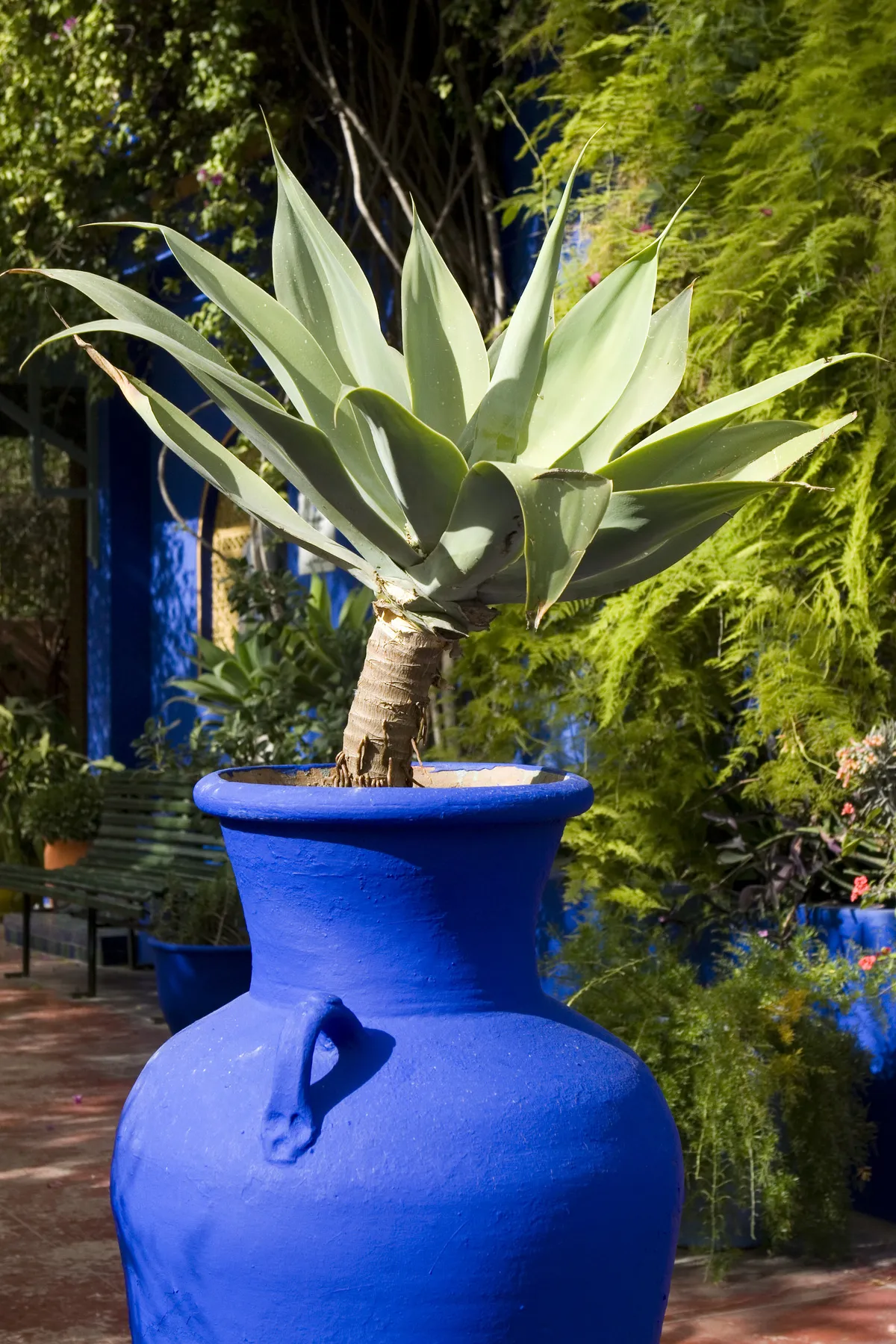
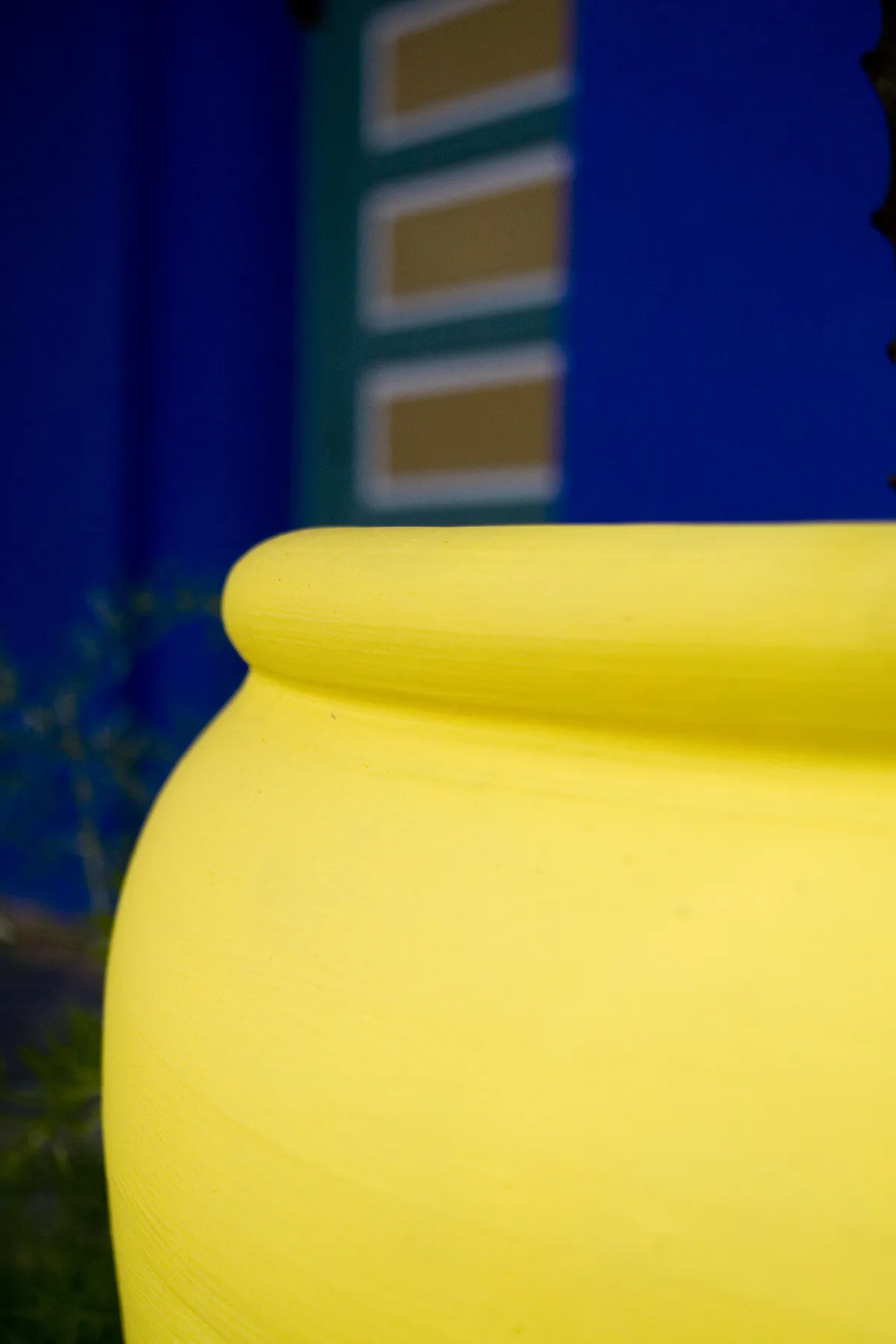
Entry is around 15 EUR in 2026. There’s also a small Berber Museum on site if you want to learn more about Morocco’s indigenous culture.
Hammam Experience
A traditional hammam is non negotiable. It’s part of understanding Moroccan culture.
We went to Les Bains de Marrakech. It’s upscale and a little touristy but absolutely worth the money. The full treatment takes a few hours. Expect to pay 80-120 EUR per person for the complete experience including massage. It’s relaxing in a way that’s hard to describe. You leave feeling like a new person.
For a more authentic and cheaper experience, ask your riad about local neighborhood hammams. They’re much more basic but give you a real glimpse into daily Moroccan life.
Other Sights
The Medersa Ben Youssef is a skip unless you’re really into Islamic architecture. The Museum of Marrakech is decent if you have time to spare.
There’s also the Bahia Palace and countless mosques. But honestly, the best thing to see is Marrakech itself. Wander the medina. Get lost in the labyrinth of streets. Dodge the mopeds and bicycles. Smell the leather tanning pits. Watch craftsmen work in tiny workshops. This is what makes Marrakech special.
Day Trips
Spending more than 5 days in Marrakech is too much. The city is intense. You need breaks.
Essaouira
We took a day trip to Essaouira, a coastal town about 2.5 hours away. Buses run regularly and are cheap. We hired a driver for around 80-100 EUR for the day which gave us more flexibility.
Essaouira is the antidote to Marrakech. Relaxed, breezy, whitewashed buildings by the ocean. The medina is walkable and less chaotic. The seafood is fresh. The beaches are nice.
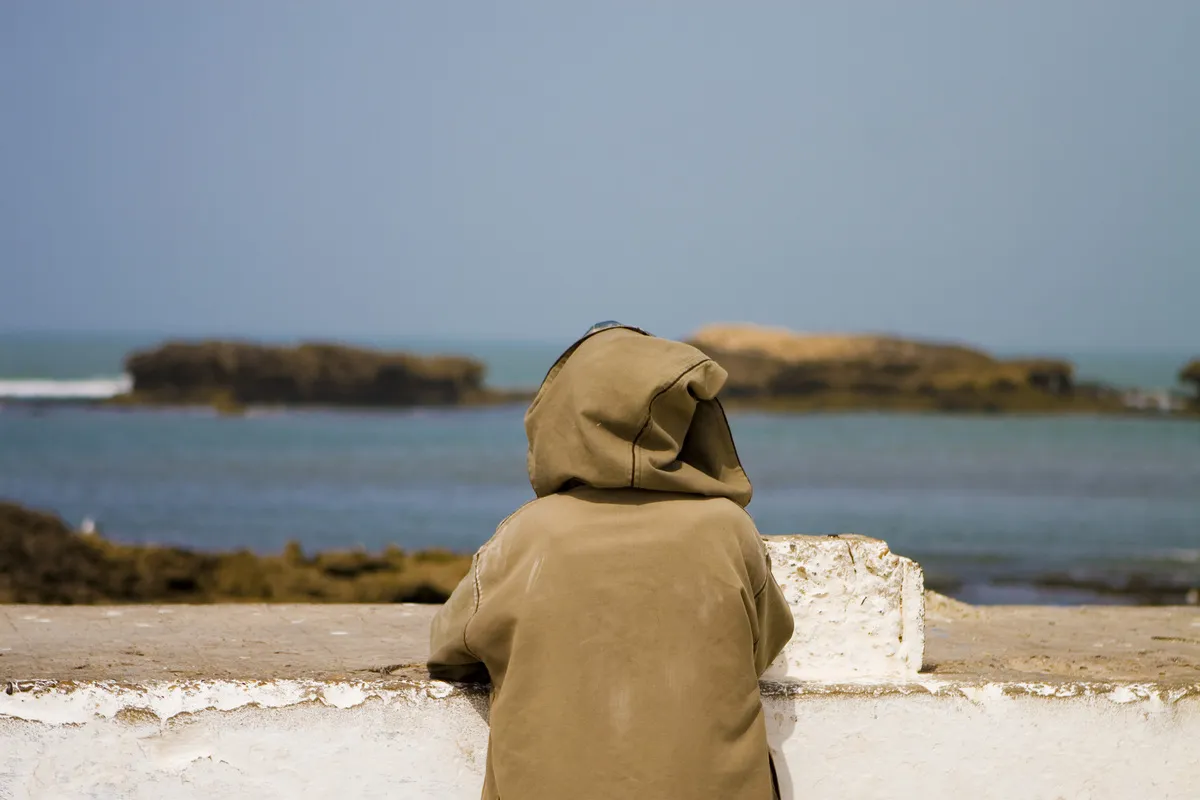
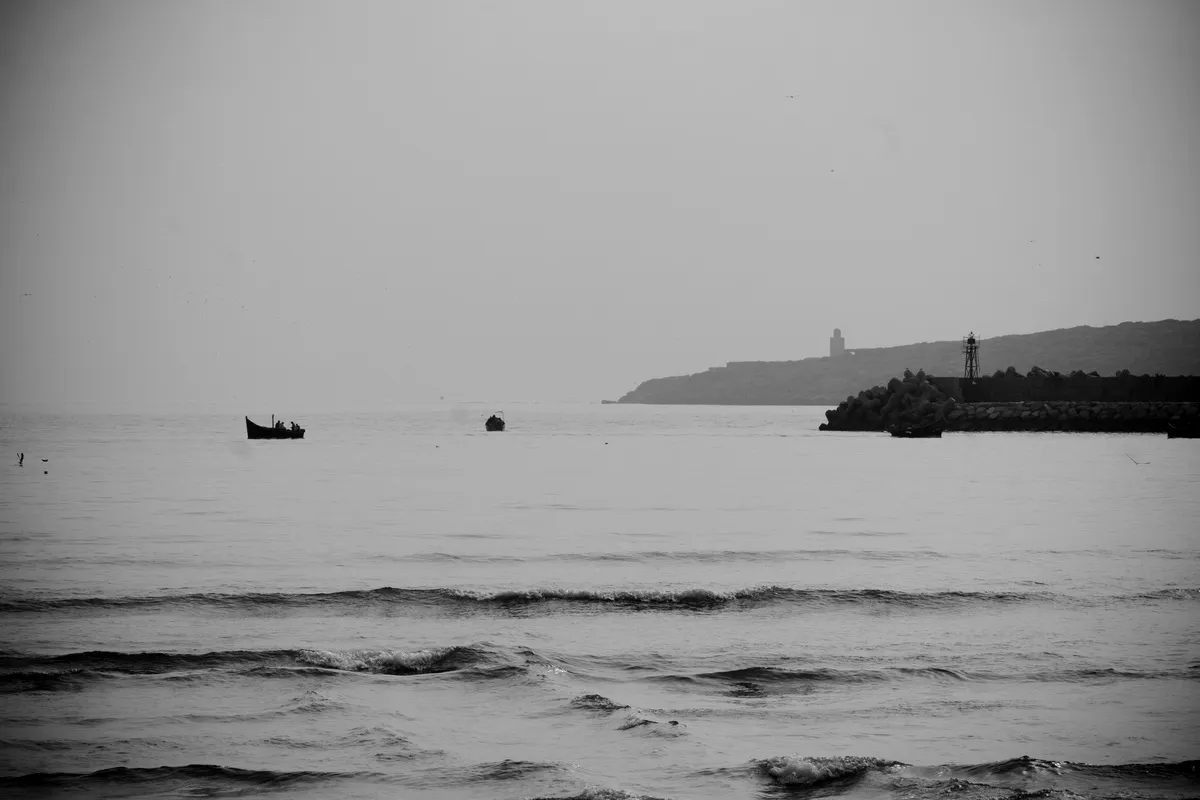
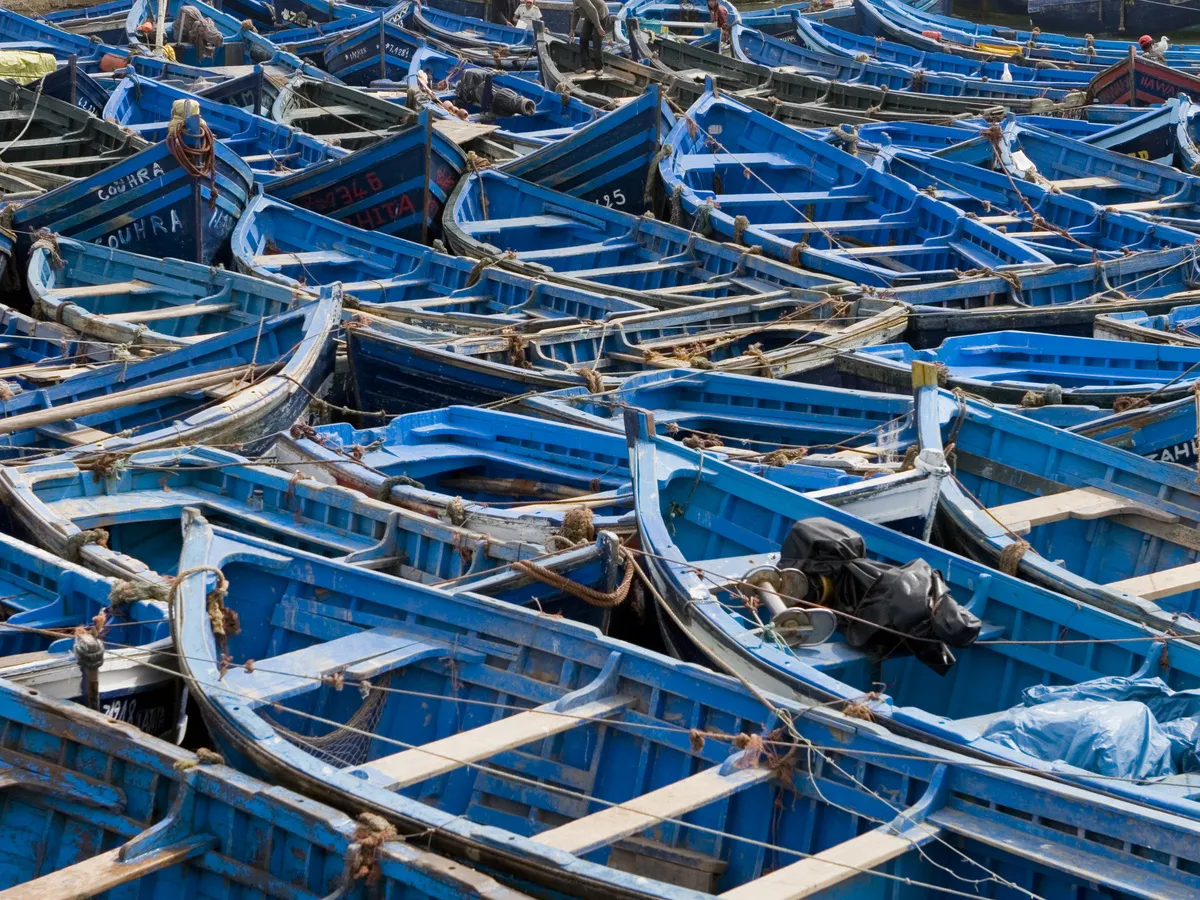
There’s a popular story that Hendrix wrote “Castles Made of Sand” in Essaouira. Given that the was released in 1967, two years before his Morocco trip this sounds unlikely. Another legend claims he planned to buy island just offshore, but there is not evidence of that either.
What’s True: He visited in July 1969. And today, Essaouira embraces the connection. There’s even a small “Jimi Hendrix café” in town, and locals love telling stories about his visit.
It’s a perfect escape from city life. The drive there shows you how green the Moroccan countryside actually is. I expected desert. I got forests and farms.
Atlas Mountains
There are also the Atlas mountains close by. We only barely got a peek from the distance - once. Probably the city haze is to blame. But you can even go skiing in winter at Oukaimeden. In Morocco. Who knew? I personally would have loved to take a trip into the desert and stay there over night.
Mountain villages like Imlil offer hiking and a glimpse of Berber life. Popular tourist routes can be crowded but the scenery seems worth it.
Desert
We didn’t make it to the desert but I wish we had. Overnight trips to the Sahara are popular. You can ride camels, sleep in Berber tents under the stars, and experience the dunes at sunrise.
Tours range from budget to luxury. Expect 2-3 days minimum to make it worthwhile. The journey to Merzouga or Zagora is long but apparently spectacular.
Photography
Marrakech is incredibly photogenic. It’s also incredibly difficult to photograph.
People have a sixth sense for cameras. I have never had so many people tell me verbally or with gestures “No pictures!” ever before. Either that or you are expected to pay for taking the picture. But it is what it is. If someone doesn’t want to be photographed, don’t photograph them.
I also refused to photograph snake charmers, monkeys on leashes, or caged turtles. While I am no animal rights activist this all felt so wrong I didn’t want to support or encourage this.
For architecture and street scenes, early morning and late afternoon have the best light. The souks are dark though. Bring a fast lens or be ready to bump up your ISO.
Practicals
Best time to visit: March-April or October-November. Avoid summer heat and winter chill.
Money: Bring cash euros and exchange at official traders in the medina. You’ll get around 10-11 MAD per EUR in 2026. Credit cards have 3% surcharges on top of your bank’s international fees but ATMs are widely available.
Language: French is common. English less so - but enough in tourist areas. Learn basic Arabic greetings. People appreciate the effort.
Safety: Marrakech is generally safe. Watch for pickpockets in crowded areas. The biggest danger are aggressive touts and merchants.
How long: 4-5 days in Marrakech is enough. Use the rest of your time for day trips and other parts of Morocco.
Marrakech delivers everything you expect from a North African city. The chaos, the colors, the calls to prayer, the mint tea, the haggling. It’s just a few hours from Europe but feels like another world entirely.
Don’t miss it.